| Jazz |
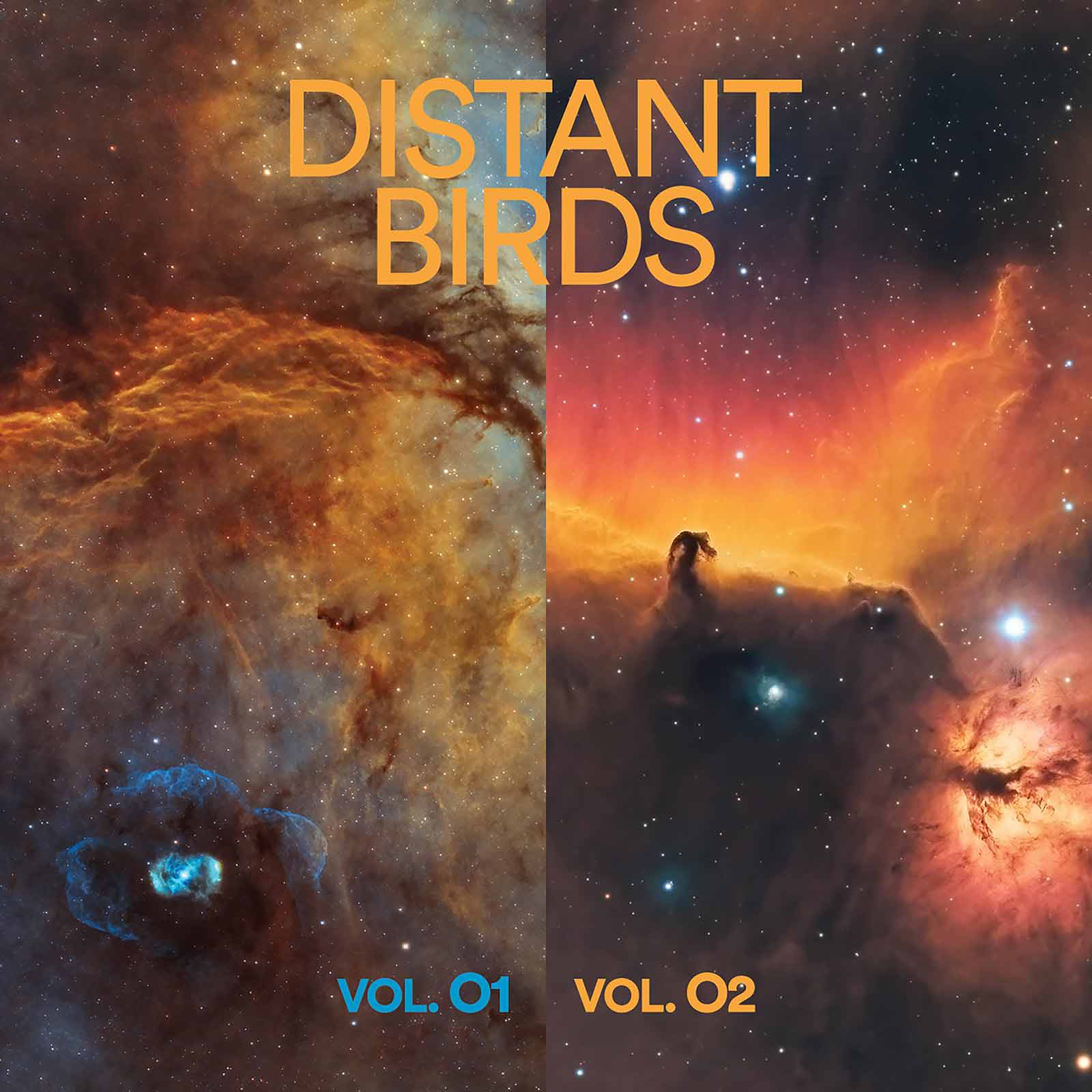
Summary : Distant Birds blends 1970s-inspired jazz grooves with modern textures in a hypnotic, slow-building album that favors atmosphere and repetition over accessibility.
A Hypnotic, Groove-Driven Album Blending 1970s Jazz Influences with Modern Soundscapes
Distant Birds is a music project with a groovy sound that takes inspiration from the 1970s but still feels modern. The album is like a trip that takes you to a mood and it’s not for everyone.
Theres always been a mix in jazz music. On one side it looks at amazing landscapes. On the side its rooted in funky grooves and studio tricks that made 1970s pop-jazz so special. Distant Birds finds a ground between the two. The sound feels a bit old like they’re digging up a record but you can still hear the present clearly. The keys are sharp the guitars have effects and the sax lines sound great today. This mix of old and new isn’t a small part; it drives the whole album.
The band has musicians from over Australia’s music scene. They don’t fit into one group but they all love groove, texture and making music up on the spot. You can hear bits of afrobeat, soul and dub reggae, which show their 1970s roots. Most songs take their time. Build up layer by layer. You hear rumbling bass sounds from Moog synths and rich Fender Rhodes. It’s thick, lush and always moving.
The brass players, Ellen Kirkwood on trumpet and Matt Ottignon on sax join in and out. They’re not there to solo; they’re more like partners working together and adding to the keyboard players ideas. You almost forget about players; it’s all about how everything blends into a big living sound.
Distant Birds doesn’t try to please everyone. The songs are long. Some are over 16 minutes. There’s no attempt to make it radio-friendly or trim it down. The format is like times, where repeating a groove was a good thing. Sometimes it feels a bit like copy-pasting. That’s the point.
How you feel about this repetition depends on what you’re looking for. It can pull you in. Make you notice tiny changes. It can also feel like its dragging on. This tension between being deeply involved and getting lost is never solved.
The album came alive because it was recorded live in one take with no editing. You’re hearing the band play, ideas sparking and moments happening in time. The grooves and textures build up slowly so you’re inside a world not just listening to a tune.
If you like The Necks or Can you’ll probably get what Distant Birds is about. Others might feel lost. The album doesn’t guide you; it asks for patience and for you to forget what you expect from a song.
Sometimes you catch a glimpse of 12-inch singles or records like Sweet Smokes Just a Poke. But Distant Birds isn’t about joy or sparkle; it’s moodier, urban and sometimes industrial. Listening to it feels like walking through a city at night. Concrete, echo and machinery humming. The grooves don’t make you dance; they persist, quietly insistent.
There are moments that wake you up the keyboard work. It’s restless always changing the mood and keeping things unpredictable. That’s where the improvisation shines.
Australian music has its way of exploring space and rhythm and Distant Birds brings that. It might click best with listeners who like fringe jazz, experimental music or post-rock.
So where does this album fit? It doesn’t exactly fit with today’s jazz scene. Its focus, on atmosphere, repetition and long songs lines it up closer with types of pop, rock or electronic music. It cares less about showing off or complex harmonies and more about time and texture.
In the end Distant Birds doesn’t try to tie everything up. It’s not a masterpiece but it’s not forgettable either. It’s a question, a process and a test of what repetition and patience can do. The albums goals are clear. The execution is hit-or-miss. The atmosphere pulls you in.
It doesn’t need you to love it. It just wants you to stay inside it for a while.
Thierry De Clemensat
Member at Jazz Journalists Association
USA correspondent for Paris-Move and ABS magazine
Editor in chief – Bayou Blue Radio, Bayou Blue News
PARIS-MOVE, April 29th 2026
Follow PARIS-MOVE on X

::::::::::::::::::::::::
Musicians:
Chris Abrahams | Keyboards
Dave Symes | Bass
Evan Manell | Drums
Ellen Kirkwood | Trumpet
Matt Ottignon | Baritone Saxophone
Track Listing:
- Drill
- Sea Grass
- Spirit Level
- Driver
Background info/ Liner Notes:
Recorded at Studios 301
Engineer: Dan Frizza
Recorded at Challis Studios.
Engineer: Chris Abrahams and Dave Symes
Mixed by Bob Scott at Dodgy Sound
Mastered by Steve Smart at Studios 301
Music Written and Produced by Chris Abrahams and Dave Symes