| Musique improvisée |
Summary:
A daring exploration of improvised jazz, this album brings together two remarkable bass saxophonists, Jon Irabagon and Dan Dan Oestreicher, in a playful yet deeply experimental musical dialogue. Using the rarely heard bass saxophone, the musicians create a dense sonic landscape that blends childhood-inspired spontaneity with the expressive freedom of avant-garde improvisation. Moving between energetic exchanges and dreamlike passages, the recording reveals both artists’ creative processes and their shared curiosity for sound. The result is an unusual and immersive listening experience that highlights the rich possibilities of bass saxophone improvisation in contemporary jazz
Jon Irabagon and Dan Dan Oestreicher Explore Bass Saxophone Improvisation in a Playful Avant-Garde Jazz Dialogue
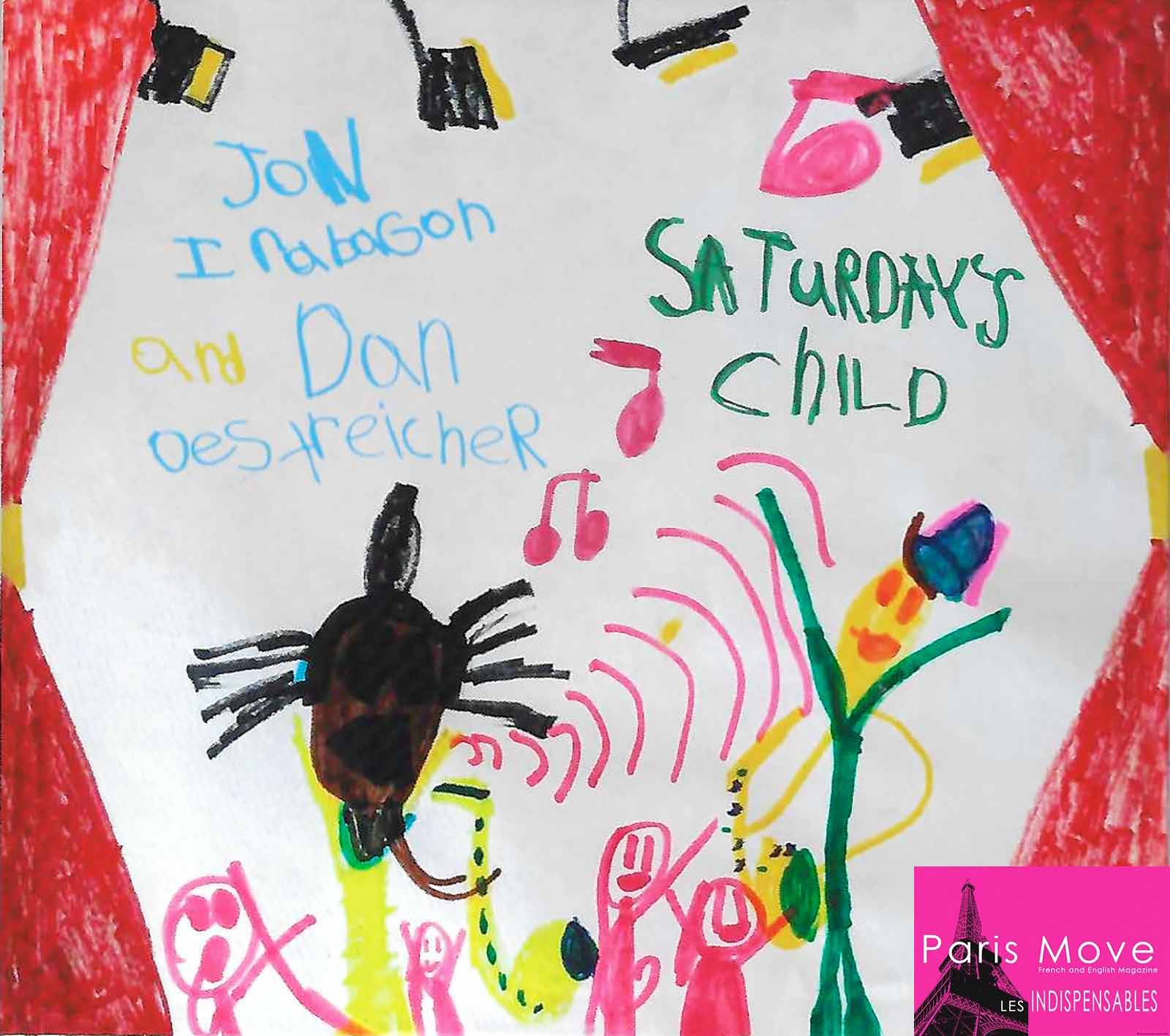
At first glance, the album cover might suggest something whimsical, perhaps even childlike, almost as if it were designed to lure young listeners in short pants toward the world of jazz. But that initial impression quickly dissolves once the music begins. What unfolds instead is the work of two formidable improvisers: the extraordinary saxophonist Jon Irabagon and fellow reed explorer Dan Dan Oestreicher. On this project, both musicians take up the comparatively rare bass saxophone, an instrument whose hulking frame and cavernous voice remain something of a curiosity even within adventurous jazz circles.
Although the bass saxophone can occasionally evoke the timbral gravity of the baritone saxophone, the two instruments are fundamentally different. The baritone speaks in E-flat, while the bass saxophone is pitched in B-flat. That technical distinction may appear minor on paper, but in practice it reshapes the expressive possibilities of the instrument. The resonance, the resistance of the air column, and the sheer physical presence of the horn transform the act of playing. The bass saxophone produces a tone that is deeper, broader and often more orchestral in character, capable of rumbling lows as well as surprisingly agile melodic figures.
Both musicians arrive here with substantial reputations in contemporary jazz and improvised music. Jon Irabagon has long been recognized as one of the most adventurous saxophonists of his generation, equally at ease in traditional jazz language and in the far reaches of experimental improvisation. A former winner of the prestigious Thelonious Monk International Jazz Saxophone Competition, Irabagon has built a career that moves fluidly between structure and chaos, lyricism and abstraction.
Dan Dan Oestreicher, meanwhile, is a deeply respected figure within New York’s creative music community. A multi-reed instrumentalist and improviser, Oestreicher has cultivated a voice that is both technically sophisticated and emotionally direct. His work often bridges jazz, experimental sound practices, and contemporary composition, making him a natural partner in a project that thrives on exploration rather than strict stylistic boundaries.
The resulting recording falls squarely within the tradition of freely improvised jazz. Yet its aesthetic sensibility may feel more familiar to European audiences, where such exploratory approaches have long flourished, than to listeners in the United States, where the idiom remains a somewhat more specialized taste. Here, the imagery of childhood play serves as a conceptual frame. The two saxophonists step into what feels like a musical playground, one without fences, instructions or referees.
From the opening passages, a musical language begins to emerge between them. Their dialogue grows increasingly animated, sometimes playful, sometimes cryptic. For listeners unaccustomed to freely improvised music, this exchange may initially feel opaque. But patience reveals its internal logic. Like children inventing games in a schoolyard, the musicians establish their own rules in real time.
The sound itself is remarkable. Two bass saxophones interacting creates a sonic landscape that is both massive and strangely intimate. Low frequencies rumble beneath the surface like distant thunder, while breathy textures and metallic overtones float above. At times the instruments seem to wrestle with one another; at other moments they merge into a single resonant organism. The physicality of breath becomes part of the music: one hears the push of air through brass tubing, the subtle friction of reed against mouthpiece, the almost tectonic vibration of the instrument’s lowest notes.
The track titles reinforce the theme of childhood, and the interplay between the two saxophones often resembles the spirited banter of mischievous youngsters, bursts of laughter, teasing interruptions, sudden shifts of mood. Perhaps these gestures reflect memories of the musicians’ own childhoods. After all, play is one of the rare universal languages of youth. The games may be similar everywhere, but each individual’s background and personal history remain distinct.
That tension, between shared instinct and individual experience, shapes the music here. Each artist brings his own cultural references and sonic vocabulary to the encounter. The result is not confrontation but conversation, a kind of improvised storytelling in sound.
As Irabagon once suggested about exploratory improvisation, the goal is not to dominate the instrument but to rediscover it: “We try to approach the horn as if we’re hearing it for the first time.” That philosophy seems to guide this collaboration. The bass saxophone becomes less a vehicle for virtuosity than a tool for curiosity.
And as every child eventually learns, play is followed by sleep, and by the dreams that emerge from it. In the musical narrative unfolding here, that transition appears almost naturally. After moments of exuberant sonic activity come passages of calm reflection. The music softens, becoming gentle and contemplative, as if the restless imagination of childhood had finally drifted toward sleep.
One might picture a child asleep beside a favorite stuffed toy. Yet even in that tranquility there is mystery. Dreams resist easy interpretation, even for the dreamer, and the music reflects that ambiguity. Quiet drones, murmured tones and fragile melodic fragments suggest a world that exists just beyond conscious understanding.
It is therefore fitting that the album’s cover art appears to evoke this entire emotional arc. The track titles themselves seem almost scribbled, their uncertain lettering suggesting they might have been written by children. Deciphering them becomes part of the experience, a small act of curiosity that prepares the listener for the imaginative world within.
Experimental jazz can feel disorienting on first contact. But for listeners already familiar with the work of Jon Irabagon or Dan Dan Oestreicher, this album offers something particularly revealing: a glimpse into their inner landscapes and creative processes.
The result is a recording that is playful yet demanding, unconventional yet deeply human. For patient listeners, it offers a rare and fascinating document of bass saxophone improvisation, an album that reminds us that the spirit of discovery, much like childhood itself, is something worth preserving.
Thierry De Clemensat
Member at Jazz Journalists Association
USA correspondent for Paris-Move and ABS magazine
Editor in chief – Bayou Blue Radio, Bayou Blue News
PARIS-MOVE, March 8th 2026
Follow PARIS-MOVE on X

::::::::::::::::::::::::
To buy this album (March 13, 2026)
Musicians :
Jon Irabagon, Saxophone bass
Dan Oestreicher, Saxophone bass
Track Listing :
Mood Swing
Daycare Infantry
Meddley, Molasses candyland
Wakine Dreams
Sugar Rush
Bonus Track: Sugar Rush/Cradio EDHD