| Jazz |
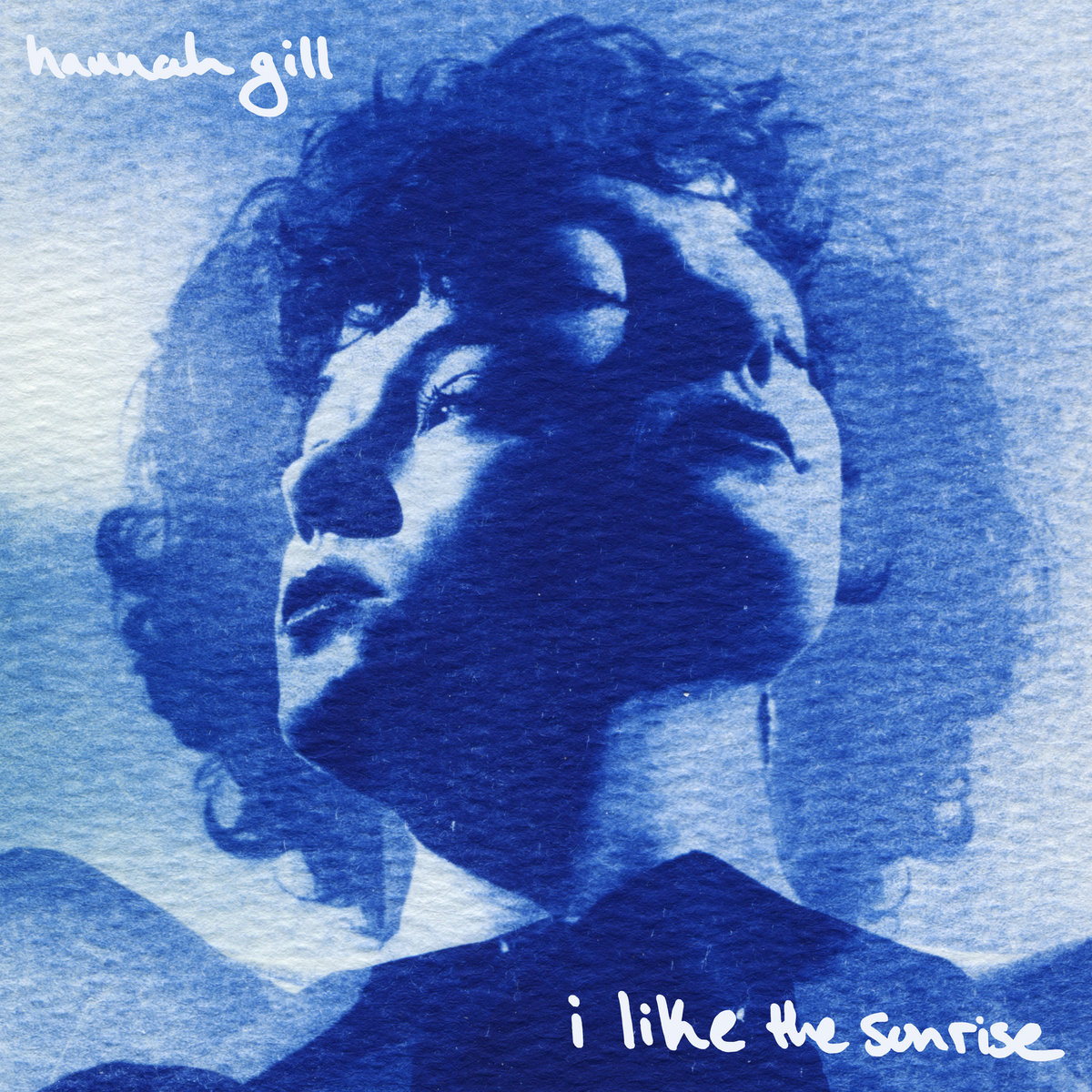
I Like the Sunrise: Hannah Gill Finds Duke Ellington in the Quiet
Hannah Gill built her reputation on energy, the kind of high-wattage, crowd-moving performances that carried her from swing-dance nights in New York to the stages of the Sydney Opera House and the Olympia in Paris. I Like the Sunrise, her new album for Turtle Bay Records, does something genuinely brave with that reputation: it sets it aside almost entirely. This is Hannah in a hushed, guitar-led, piano-free setting, offering what’s been rightly described as a soft tribute to Duke Ellington’s writing and arranging, and the gamble pays off in a record that trades spectacle for something more intimate and, in its own quiet way, more impressive.
The decision to record without piano is the single choice that defines this album’s identity, and it’s a smart one. Ellington’s songbook is so closely associated with orchestral colour and keyboard voicing that removing the piano entirely forces a different kind of listening, one focused squarely on lyric, phrasing, and the conversational give-and-take between voice and guitar. Rather than attempting to recreate the grandeur of Ellington’s original orchestral settings, Gill and her band trust these songs to stand on their own as songs, letting melodies and words breathe in genuinely spacious arrangements. It’s a stripped-down approach that could easily have felt thin in less capable hands; here it feels like clarity.
That clarity owes a great deal to the band’s chemistry, which was built the old-fashioned way: through months of live performances during a residency at a Brooklyn bar, well before anyone entered a studio. Guitarist Luis Salcedo, bassist Philip Ambuel and drummer Adam Ray arrived at The Bunker Studio in Williamsburg with material that was already rehearsed and lived-in, shaped by real audience response rather than studio experimentation, and saxophonist Ricky Alexander adds his voice to select tracks without ever crowding the core trio’s interplay. The band favoured real-time collaborative arranging over heavy reliance on written charts or overdubs, and that organic process shows: nothing here sounds fussed-over. Recorded to analog tape and enhanced by the studio’s notably warm plate reverb, the album has a tactile, present quality that puts Gill’s voice right up close to the listener, unforced, patient, and fully inhabiting the material.
“Azalea” is the album’s most striking demonstration of restraint as a musical strategy: a pin-drop vocal performance set against subtle rhythmic motion and nuanced, understated guitar work, the kind of arrangement that trusts silence as much as sound. The title track, “I Like the Sunrise,” is rendered as something closer to a hymn, dreamy, unhurried, Gill’s voice floating between fragility and a carefully measured optimism that never tips into saccharine. It’s a fitting centrepiece for an album this attentive to mood.
That mood, notably, is more layered than the record’s sunny surface song titles might suggest. Ellington’s original recordings of much of this material span 1937 to 1950, the era of film noir, a stretch of American history marked as often by jeopardy and constraint as by freedom. Gill’s arrangements carry a genuine undercurrent of that same noir-tinged bittersweetness, an atmosphere of things held just out of reach even on the album’s more outwardly hopeful tracks. It’s worth remembering, too, that some of this material carries real historical weight: “I Got It Bad (and That Ain’t Good)” comes from Ellington’s Jump for Joy revue, staged in Los Angeles as an explicit challenge to racial stereotyping in popular entertainment, while “I Like the Sunrise” itself originates in his Liberian Suite, composed to mark the founding of Liberia by freed and free-born people. Gill doesn’t underline any of this heavily, the songs are never turned into history lessons, but knowing it adds real resonance to an album that otherwise wears its emotional intelligence lightly.
There’s something fitting about the fact that this particular tribute comes from an artist so thoroughly shaped by the city Ellington himself called home. Gill, now twenty-nine, grew up between North Carolina, Texas, and Maryland’s eastern shore, absorbing blues, soul, and jazz from BB King, Otis Redding, Aretha Franklin, Nina Simone, Billie Holiday, and Etta James along the way, before moving to New York at eighteen specifically to chase a singing career. She found her way in through the city’s swing-dance scene, a route that eventually connected her to musicians, gigs, and, eventually, the wide-ranging touring career (Postmodern Jukebox, Gordon Webster, international festival dates from Morocco to South Korea) and the millions of streams and views that have followed. Ellington, she’s said, holds a special place in her heart for his ability to wrap multiple complicated emotions into a single compelling whole, and for an artist driven primarily by lyrics, an album built on his most quietly devastating and hopeful songs is a natural, deeply personal fit. As she put it herself, her life has been something of a whirlwind, and moments of peace have become essential. This album is her attempt to offer some of that peace to listeners, too.
Turtle Bay Records founder and producer Scott Asen has described the album as entirely Gill’s own concept, and that creative ownership is audible throughout, this never feels like a song-catalog exercise handed down from above, but like an artist choosing, with real care, exactly which corners of a giant’s catalog speak to her.
I Like the Sunrise succeeds precisely because it doesn’t try to out-dazzle the performer’s own reputation for high energy. Instead, it asks listeners to lean in closer, and the songs — “Do Nothing till You Hear from Me,” “Love You Madly,” “Take Love Easy,” and the gorgeously spare “Azure” among them — reward that closer attention at every turn. It’s a genuinely lovely, thoughtfully sequenced record: warm, unhurried, quietly haunted in the best sense, and a strong testament to how much emotional ground a great song can cover once you clear away everything that isn’t essential to it. A very good album, and a real step forward in Hannah Gill’s evolution as an artist.
Frankie Pfeiffer
Editor in chief – PARIS-MOVE
PARIS-MOVE, August 28th, 2026
Follow PARIS-MOVE on X
::::::::::::::::::::::::
Tracklisting:
1.So Far, So Good 02:55
2.I Ain’t Got Nothin’ but the Blues 04:38
3.Love You Madly 04:23
4.I’m Just a Lucky So-and-So 04:59
5.I Didn’t Know About You 04:38
6.I Got It Bad (and That Ain’t Good) 03:59
7.Azalea 04:00
8.Do Nothing till You Hear from Me 03:24
9.I Like the Sunrise 04:15
10.Take Love Easy 03:33
11.Azure 02:54
Musicians:
Hannah Gill – Vocals
Luis Salcedo – Guitar
Phil Ambuel – Bass
Adam Ray – Drums
Ricky Alexander – Saxpohone
Recording engineer – Alex Conroy
Mixing Engineer – Alex Conroy
Mastering Engineer – Michael Perez-Cisneros
Producer – Scott Asen
Album Artwork – Hannah Gill
Photographer – Sam San Román
Graphic Design – Elvira Broman