
| Jazz |
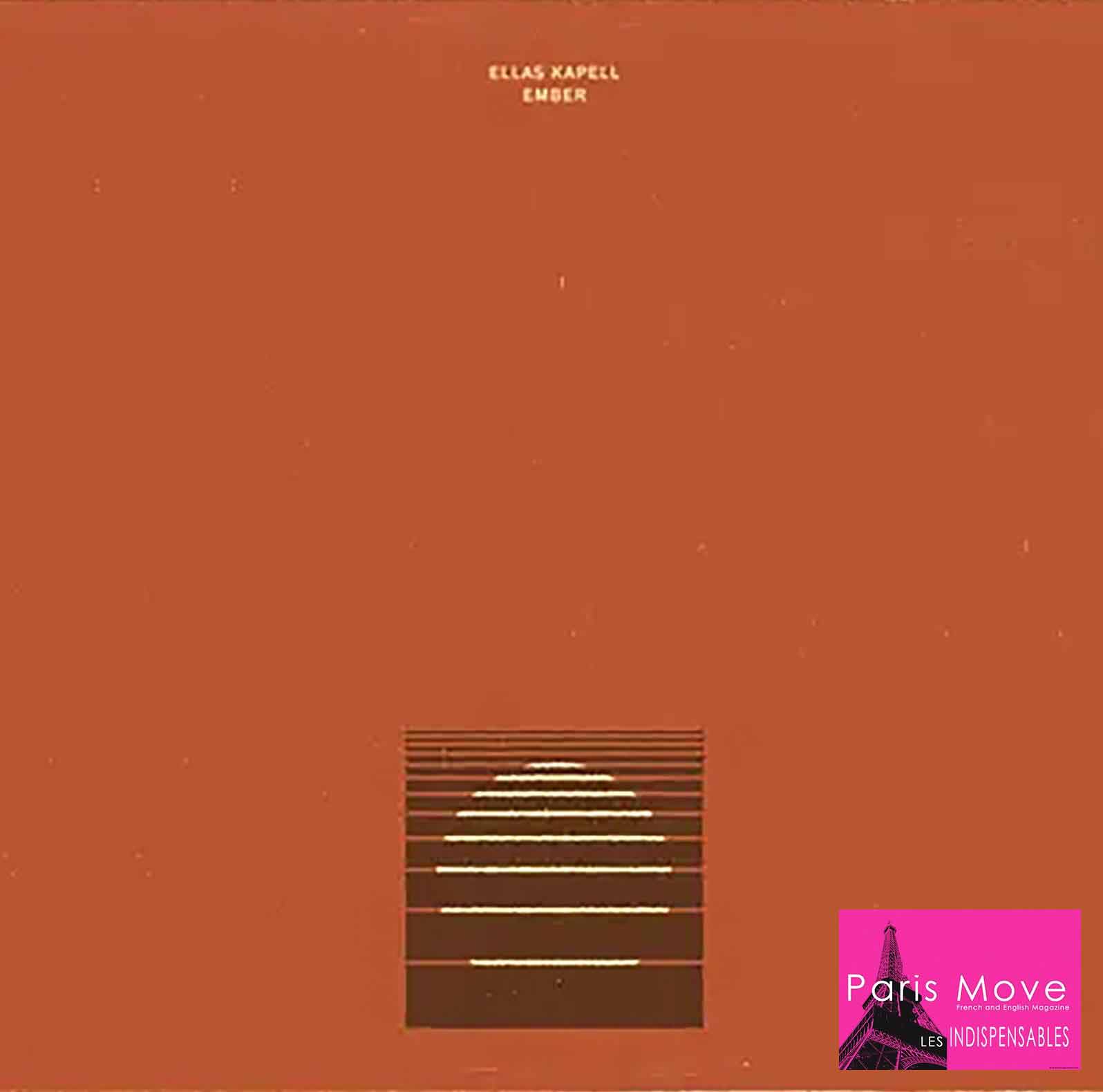
Nordic freshness is being heard in the heart of Texas: The metamorphosis of Ellas Kapell
The sun has begun its aggressive ascent, piercing the heavy ecru curtains of my office with that undeniable and ruthless clarity of an early Texas spring. Outside, the air begins to waver under the Southern heat; yet, inside, the atmosphere has been radically transformed by the arrival of Ember, the magnificent new album from the Swedish quartet Ellas Kapell. It is a striking juxtaposition: the glare of Austin’s scorched earth meeting the blue-tinted restraint of Stockholm.
This is the ideal light in which to discover the crystalline voice of Lovisa Jennervall. From the opening notes, it is evident that this is not merely another vocal jazz record; it is a masterclass in Northern European precision. One perceives a specific musical DNA here, a lineage that feels grafted onto the formal counterpoint of Bach and Purcell, then gracefully reassembled within the fluid, improvisational language of modern jazz.
The Architect of the Voice
Jennervall’s approach is a revelation for those weary of the over-embellished “diva” tropes often found in contemporary jazz. She possesses the dexterity of a migratory bird: seemingly effortless, yet guided by an unyielding internal compass. Her technique favors the purity of the straight-tone often associated with Scandinavian folk, while her phrasing remains deeply anchored in the rhythm and “pocket” of the Great American Songbook.
Unlike the breathy, vibrato-heavy performances of mid-century icons, Jennervall uses her voice as a precision instrument. She treats vowels as structural elements, holding notes with a stillness that creates palpable tension before resolving them into a soft breath. It is a style that demands the listener’s total attention, transforming the act of listening into an act of intimacy.
A Cinematic Urbanity
The quartet captivates with its ability to balance this vocal fragility with a robust, almost cinematic “urban” sound. An agile and inquisitive saxophone weaves through the arrangements, evoking the polished West Coast “cool” of 1980s Michael Franks albums. Yet, just as one settles into this fluidity, August Eriksson’s double bass pulls us back into the shadows. His playing is so evocative it becomes haunting, sending a physical shiver through the listener with a resonance that feels carved from ancient wood.
What begins as an accessible pop-jazz fusion quickly reveals itself to be a far more ambitious project. The band has moved past its reputation as an interpreter of standards. By self-producing Ember, they have asserted an identity that is more confident, and more experimental—, han ever. The result is music that is paradoxically intimate and vast, firmly rooted in jazz tradition while radiating a nascent creative energy.
The Pedal Steel: A Bridge Between Two Worlds
Perhaps the album’s most striking stroke of audacity is the integration of the pedal steel guitar. To an ear in the American Southwest, this instrument carries a heavy burden of nostalgia, usually tied to the “lonely outsider” figures of country music. However, in the hands of Ellas Kapell, the pedal steel is stripped of its honky-tonk associations.
Instead, it is used to create vast ambient soundscapes, sonic clouds that hover above the rhythm section like a Swedish mist. It acts as a bridge between the acoustic warmth of the double bass and the modern textures of the synthesizer. This inclusion expands the album’s spectrum, blending the organic and the electronic in a way that is both exploratory and deeply personal. It is here, in the marriage of the electronic and the elemental, that the band truly finds its “urban” pulse.
From the Fjords to the Global Stage
To dismiss Ellas Kapell as a mere nostalgia act would be a grave miscalculation. Ember pushes the group toward the shores of soul and folk, using jazz as a compass rather than a cage. When the trumpet enters, it acts as an anchoring force, echoing the minimalist philosophy of late-era Miles Davis. The music conjures images worthy of a Steven Spielberg shot: wide angles on human emotion playing out against a brilliantly orchestrated backdrop.
Beneath the apparent simplicity of their sound lies a formidable complexity. Their arrangements are exercises in extreme finesse, adding a sense of grandeur to what might otherwise be minimalist structures. They are not just a name on a CD cover; they are a distinct aesthetic, a style that feels both timeless and urgently contemporary.
For the American listener, there is an undeniable “exoticism” to this record, a breath of Scandinavian air that offers a necessary respite from the Texas heat. For the European audience, it is a reminder of the immense depth of talent currently emerging from the North. If you are drawn to the poetry of lyrics and the ingenuity of instrumentation, Ember will quickly move from a discovery to an addiction on your turntable, a magnificent work that demands to be played on a loop until the seasons change.
Thierry De Clemensat
Member at Jazz Journalists Association
USA correspondent for Paris-Move and ABS magazine
Editor in chief – Bayou Blue Radio, Bayou Blue News
PARIS-MOVE, February 9th 2026
Follow PARIS-MOVE on X

::::::::::::::::::::::::
Musicians :
Lovisa Jennervall | Vocals
Manne Skafvenstedt | Piano, Synthesizers
August Eriksson | Double Bass, Electric Bass, Violin
Edvin Glänte | Drums, Percussion
Featuring
Johan Christoffersson | Alto Sax
Tobias Wiklund | Cornet
Gustav Alte | Pedal Steel
Track Listing :
Very Early
I Didn’t Know What Time It Was
All the Things You Are
I Cover the Waterfront
How Deep Is the Ocean
The Very Thought of You
Don’t Explain
I Fall In Love Too Easily