Tom Teasley’s interview
by Frankie Pfeiffer
Editor in chief – PARIS-MOVE
August 28th, 2026
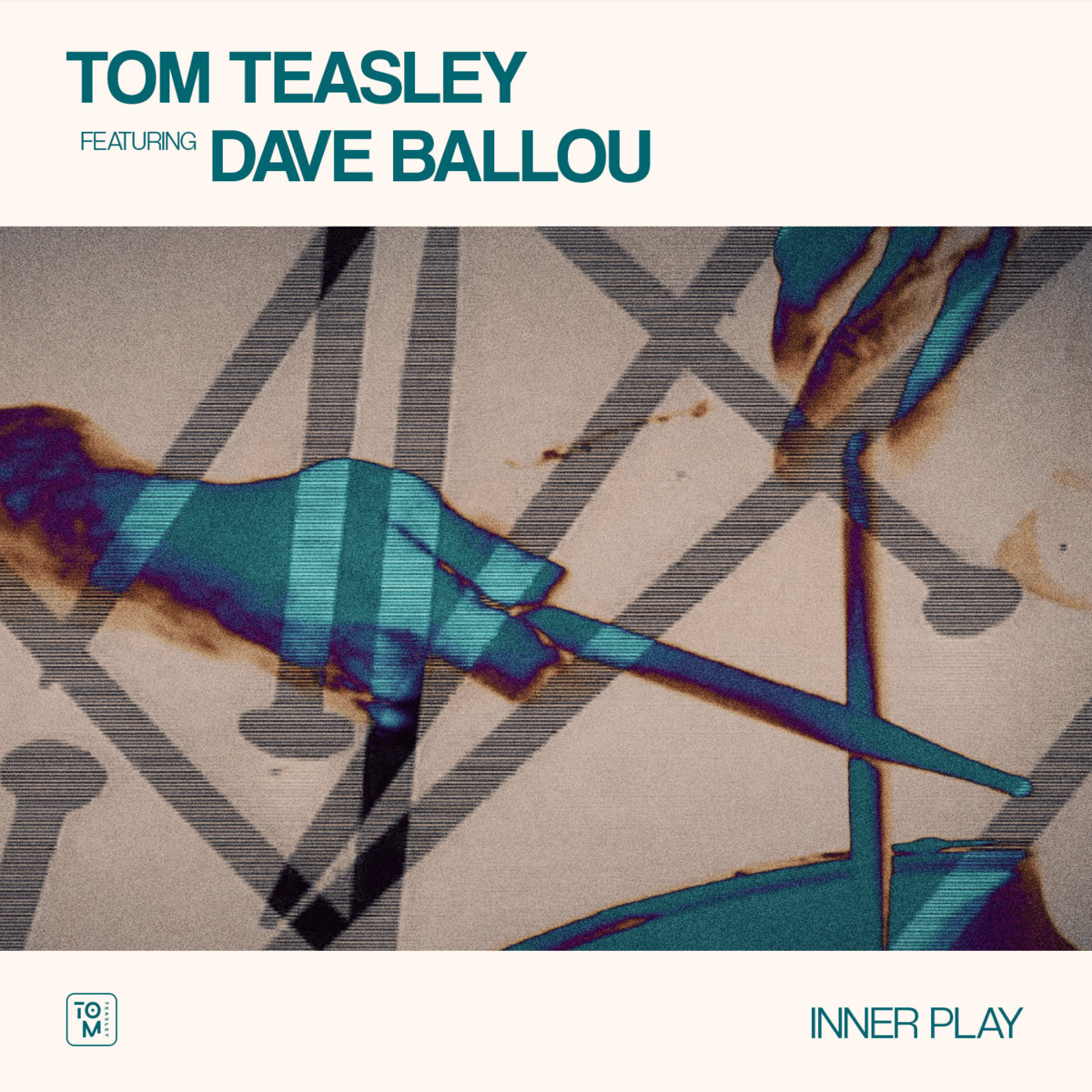
With Inner Play, percussionist, drummer, composer, and sonic adventurer Tom Teasley offers one of the most compelling releases in his ongoing The Art of the Duo series. Joined by the exceptional trumpeter and flugelhornist Dave Ballou, Teasley demonstrates once again that profound musical richness does not depend on the number of musicians involved, but on the quality of communication between them.
Tom Teasley’s interview
Frankie Pfeiffer: Tom, you are a drummer, world percussionist, composer, and have received numerous awards throughout your career. Can you introduce yourself to readers of Paris-Move who are discovering you through our review of Inner Play?
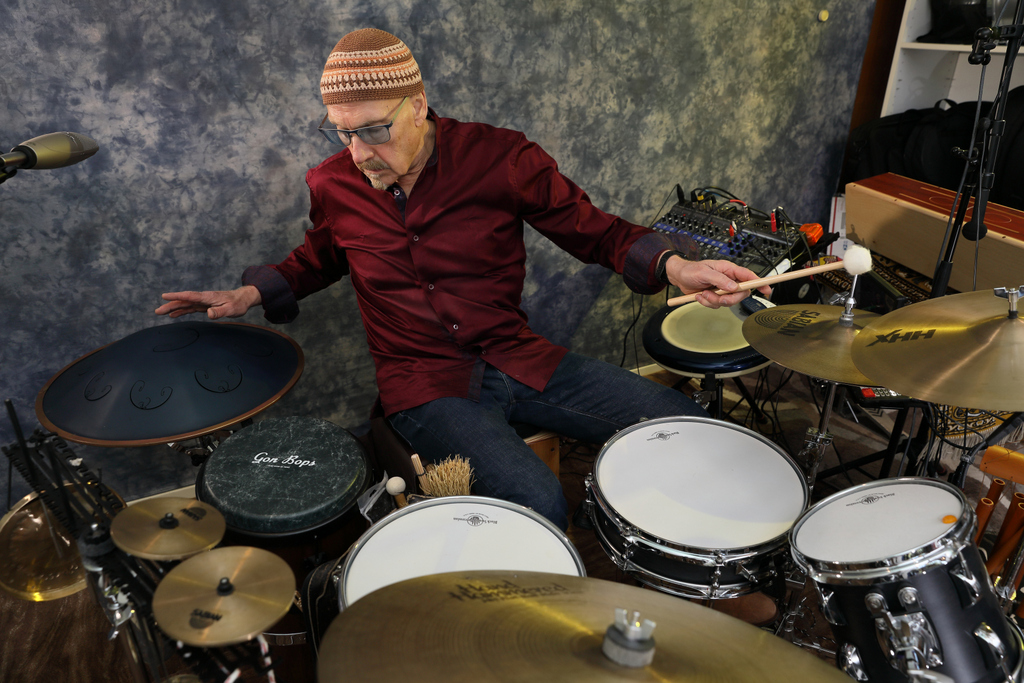
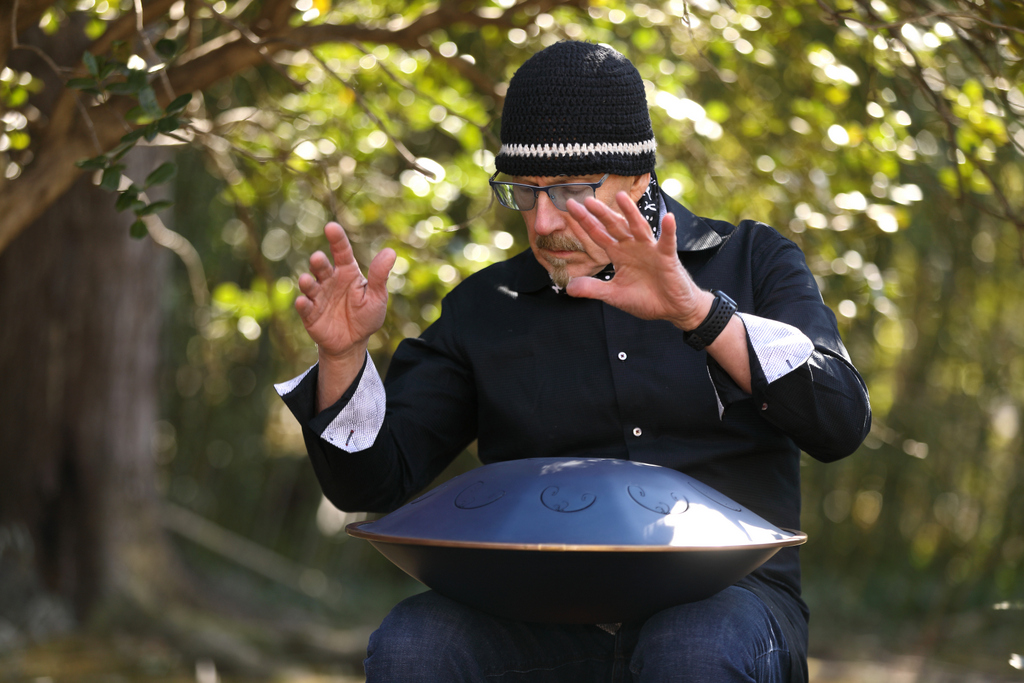
Tom Teasley: I’ve never been comfortable with labels. Although I began as a drummer, my work now extends far beyond any one instrument or tradition. I think of myself as a rhythmist—someone whose primary language is rhythm. Whether I’m performing on drum set, handpan, vibraphone, frame drums, found objects, or electronics, my goal is to create music that tells a story, sparks curiosity, and connects people across cultures. Improvisation is the thread running through everything I do, from concerts and silent-film scores to teaching and BioRhythms. Ultimately, I hope listeners don’t simply hear my instruments—they hear conversations.
Frankie Pfeiffer: What is your musical background?
Tom Teasley: I was largely self-taught through high school until my senior year, when I was accepted to the Peabody Conservatory. College took longer than expected because I was already touring professionally and balancing school with life on the road. After graduating, I spent considerable time in New Orleans, where I discovered how deeply American music is connected to traditions from around the world. That led me to study with master musicians from Africa, India, the Middle East, Ireland, and beyond—not to imitate them, but to understand their rhythmic languages and weave those influences into my own voice. Later, serving as a U.S. State Department Cultural Envoy confirmed that rhythm and sound can build trust and connect people across cultures. That belief continues to guide my work.
Frankie Pfeiffer: Who are the musicians who influenced you?
Tom Teasley: A short list would include Max Roach, Alice Coltrane, Jack DeJohnette, Bill Evans, John Coltrane, Muddy Waters, and Zakir Hussain, though I could easily name dozens more. What connects them isn’t style but authenticity, curiosity, and fearlessness. Each found a personal voice while remaining open to exploration. I’ve also been profoundly influenced by master musicians I’ve studied with around the world, many of whom are not household names. They shaped my understanding of rhythm, listening, and the cultures from which the music emerged. I never wanted to sound like any one musician; I wanted to absorb the spirit of their creativity while discovering my own voice.
Frankie Pfeiffer: As a U.S. Department of State Cultural Envoy, you shared musical conversations in South Korea, the Middle East, Jerusalem, and elsewhere. What is the most important thing you learned?
Tom Teasley: The most important lesson was that people are far more alike than they are different. Wherever I traveled, music dissolved barriers of language, politics, religion, and culture. One experience in Jerusalem has stayed with me. I was invited to create a percussion ensemble with Palestinian and Israeli musicians. They connected immediately through rhythm, and by the end of the session the only disagreement was a friendly debate over who made the best hummus in the Old City. Moments like that showed me that music can create trust before conversation begins. Every exchange was a two-way conversation, and I learned as much from the musicians and audiences as they may have learned from me.
Frankie Pfeiffer: You are also engaged with the theater world. How did that begin, and what is your contribution?
Tom Teasley: Theater found me rather than the other way around. While touring internationally with baritone Charles Williams, a director heard one of our recordings and invited me to join Mary Zimmerman’s production of Arabian Nights. That unexpected opportunity opened a new creative path. I began composing, performing, and creating soundscapes for productions inspired by world literature, mythology, and classic stories. Theater taught me that music isn’t simply accompaniment—it shapes emotion, atmosphere, and narrative. More than the three Helen Hayes Awards I later received for sound design, I value the collaborative process and the lesson of serving the story before the spotlight. Many of the most rewarding chapters of my career began by saying yes to something unexpected.
Frankie Pfeiffer: Can you tell us about your book and DVD, An American Approach to World Percussion?
Tom Teasley: The publication grew from my studies at Peabody, my work with legendary Dave Brubeck drummer Joe Morello, and years of exploring rhythmic traditions around the world. Rather than treating those traditions as isolated disciplines, I wanted to reveal the common threads connecting drumming styles, techniques, and rhythmic concepts across cultures. Using Ted Reed’s Progressive Steps to Syncopation and familiar jazz rhythms gave Western-trained drummers a practical gateway into global rhythmic languages. Those ideas are now evolving into a new educational project combining world-percussion techniques with jazz interpretation. I’m developing studies for pieces including “Move,” “Fungi Mama,” “Moose the Mooche,” and “Little Suede Shoes,” using cajón, djembe, pandeiro, and other instruments. Each study will isolate the rhythmic language and articulations before presenting the complete tune with Dave Ballou performing the melody. The larger goal is not simply to teach technique, but to help musicians bring global rhythmic vocabulary into jazz while developing their own creative voice.
Frankie Pfeiffer: What do you mean by your signature approach, “immersive percussion storytelling,” and how does it shape your solo concerts?
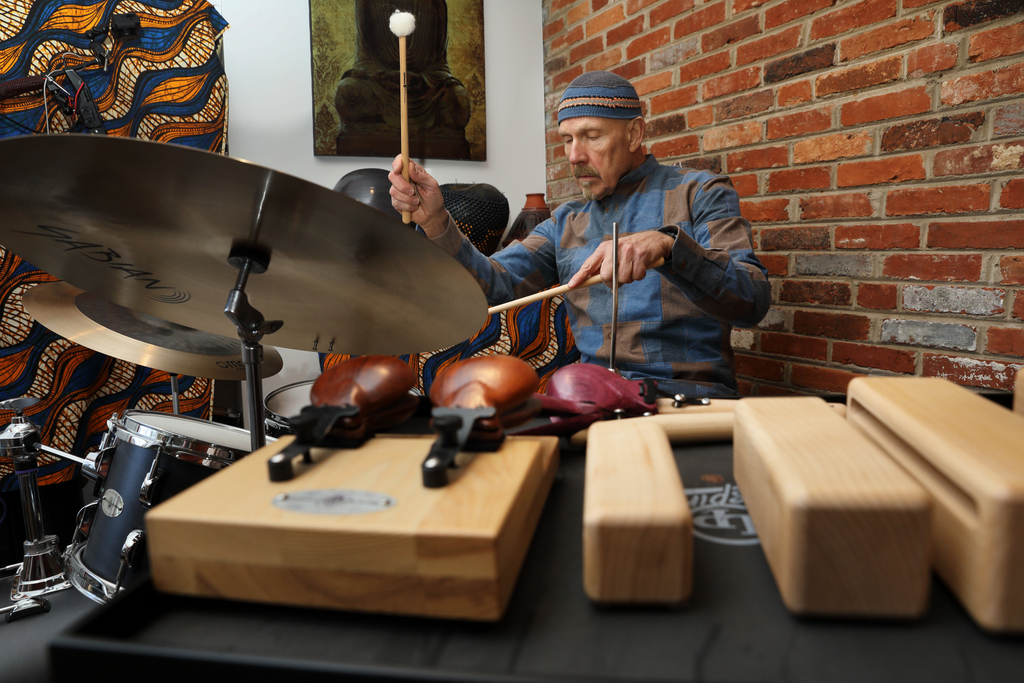
Tom Teasley: Immersive percussion storytelling is about creating an experience rather than simply presenting a concert. Rhythm, melody, texture, silence, spoken word, electronics, and instruments from many cultures become the vocabulary of a story. In a solo performance I may use drumset, handpan, frame drums, cajón, vibraphone, melodica, Native American flute, gongs, singing bowls, bells, and live looping. But I never want it to feel like a display of instruments. I try to create a unified journey and pair sounds in unexpected ways. Every listener brings their own memories and imagination, so each performance becomes a different journey. Whether in a concert hall, silent film, educational program, or BioRhythms session, I want people to leave with an experience rather than simply a memory.
Frankie Pfeiffer: With Inner Play, you are joined by trumpeter and flugelhornist Dave Ballou. How did you meet, and why was he the right partner for this album?
Tom Teasley: I met Dave through drummer Jeff Cosgrove, whose quintet we both perform with. Even in that larger ensemble we were drawn to spontaneous musical conversations, and the chemistry was immediate. While filming educational material in my studio, I invited Dave to improvise during a lunch break. We pressed record with no agenda, and that session became our first duo album, Lunch Break. Dave is an extraordinary trumpeter, but what makes him the ideal partner is his ability to listen, leave space, and embrace risk. Unlike Lunch Break, which included later percussion overdubs, Inner Play contains only live performances. I edited the form of a few pieces, but every sound was created in the moment. We entered the studio with ideas, openness, and complete trust, wanting to discover the music together.
Frankie Pfeiffer: What inspired The Art of the Duo, and what have these collaborations taught you?
Tom Teasley: The Art of the Duo grew naturally from my work as a Cultural Envoy, where I was often paired with musicians I’d never met. We didn’t always share a spoken language, but listening, intuition, and trust became a common musical language. I love the intimacy of the duo format because every note, silence, and gesture matters. I’ve collaborated with artists including Chao Tian, Chelle Fulk, John Wubbenhorst, and Dave Ballou, as well as poets, actors, dancers, and visual artists. I could never choose a favorite. Each partner brings a different musical language and teaches me something that shapes the next project. I’m especially excited by the possibility of presenters pairing me with musicians from their own communities, creating one-time conversations unique to that place and audience.
Frankie Pfeiffer: Inner Play sounds remarkably cohesive despite being improvised. How did you and Dave approach the recording, and how did you balance structure with complete freedom?
Tom Teasley: There wasn’t a single written note, yet one of my goals was for the music to feel intentionally composed. That balance between spontaneity and structure lies at the heart of the recording. “Woodpecker’s Dilemma” captures it well: the dialogue between woodblocks and trumpet suggests contemporary chamber music even though it was created entirely in the moment. Before recording, Dave and I spoke only about emotional landscapes—not notes, forms, or arrangements. Sometimes I began with a groove or texture, and the conversation unfolded from there. We didn’t give each other instructions; we gave each other trust. The freedom wasn’t simply to play anything—it was to know when to leave space, take risks, or remain silent. In an era of AI-generated music and highly produced recordings, I’m increasingly drawn to the honesty of human beings creating together in real time.
Frankie Pfeiffer: How do you see your music evolving, and how does your next album reflect that direction?
Tom Teasley: My work is evolving along three complementary paths: The Art of the Duo, BioRhythms, and original silent-film scores. BioRhythms grew from work with psychotherapists and guided meditation but has become a performance experience of its own. Inspired in part by Alice Coltrane, it blends improvisation with the restorative qualities of rhythm and sound. Using handpan, singing bowls, gongs, Native American flute, frame drums, and rhythmic structures from India and Africa, I create experiences that are both artistically engaging and deeply restorative. I’m also expanding my live scores for silent films—from German Expressionist classics to Chaplin, Keaton, and Dadaist cinema. My next recording, Hand Pan Odyssey, is complete: a largely solo handpan album with guest appearances by Dave Ballou and John Wubbenhorst. It explores the intersection of artistic integrity and holistic practice. I don’t believe music must choose between creative depth and restoration. I expect to release it in early 2027.
Frankie Pfeiffer: Is there a dream collaborator—or is The Art of the Duo really about something beyond well-known names?
Tom Teasley: A collaboration with Yo-Yo Ma would be fascinating because of his curiosity and openness to musical traditions from around the world. More generally, though, The Art of the Duo has never been about fame; it’s about curiosity. I’m drawn to artists who listen deeply, embrace creative risk, and are willing to step into the unknown together. Some of the most meaningful collaborations of my life began with musicians I’d never met before. I’ve learned not to overplan. Music is often at its best when you leave room for discovery. That same openness also shapes my current work with silent film and Dadaist cinema—where the images themselves become another kind of improvising partner.
Tom Teasley: I’d like to thank you, Frankie, and everyone at Paris-Move for your generous support of my work over the years. I especially appreciate the opportunity to discuss improvisation, multimedia, communication through sound, and the restorative potential of music. It’s been a pleasure sharing this conversation, and I hope it inspires readers to discover Inner Play and follow these musical explorations wherever they lead.
Frankie Pfeiffer: Thank you, Tom, for your time, and all the Best for the next albums and concerts.