

Kelly Green at Monks Jazz Club
Austin, TX
October 20, 2026
Report & Photos: Thierry De Clemensat, Member at Jazz Journalists Association
USA correspondent for PARIS-MOVE and ABS magazine
Editor in chief – Bayou Blue Radio, Bayou Blue News
Kelly Green at Monks Jazz Club in Austin: The Quiet Power of a Living Jazz Tradition
On October 20, Ilene and I made our way to Monks Jazz Club in Austin, drawn by the prospect of hearing musicians whose work I had followed but who seldom perform in this city. There is a particular pleasure in these encounters, when music known through recordings takes on a new dimension in the presence of an audience. I have long been interested in the younger generation of jazz musicians, not simply because they represent what comes next, but because they reveal how a tradition remains alive: through artists who understand its history yet refuse to be confined by it. When we arrived, Kelly Green was smiling, arranging copies of her album “Eat Your Green” alongside CDs and vinyl records. Her warmth immediately softened a room that can sometimes feel a little impersonal. We settled in, ordered drinks and waited for the lights to dim. The evening had not yet begun, but something in the atmosphere already suggested that this would be more than an ordinary night at the club.

Green is a pianist, vocalist and composer whose musical identity resists easy categorization. She moves between voice and piano with an instinctive sense of proportion, allowing each to illuminate the other without turning the performance into a showcase for virtuosity alone. Her playing has clarity and purpose, but also a certain inwardness, a willingness to let a phrase breathe rather than force it toward an obvious conclusion. As a vocalist, she brings a similar restraint to the music, attentive to the shape of a melody and to the emotional weight of a word. Nothing feels gratuitous. What matters is not the accumulation of effects but the coherence of the whole, the way a composition can unfold naturally while leaving room for surprise. Green’s musicianship is grounded in technique, certainly, yet technique remains a means of expression rather than an end in itself. The result is music that invites close listening without making a show of its sophistication.

That balance was especially apparent in the way Green worked with bassist Luca Soul and drummer Evan Hyde. A rhythm section can provide a foundation, but the best jazz ensembles understand that rhythm is also a conversation, a source of tension, color and direction. Soul’s bass playing gave the music both solidity and mobility. His lines were never merely functional; they helped define the harmonic landscape while responding to the shifting contours of Green’s phrasing. Hyde, meanwhile, displayed a keen sense of dynamics and timing, shaping the music with a drummer’s awareness that intensity does not always require volume. His playing could sharpen a transition, gently unsettle a pulse or create space where a more insistent approach might have crowded the music. Together, Soul and Hyde established a flexible framework in which Green could take risks without losing the thread of a composition. Their contribution was not confined to accompaniment. They were active participants in the music’s unfolding, listening, anticipating and answering one another with the kind of attentiveness that cannot be manufactured through rehearsal alone.
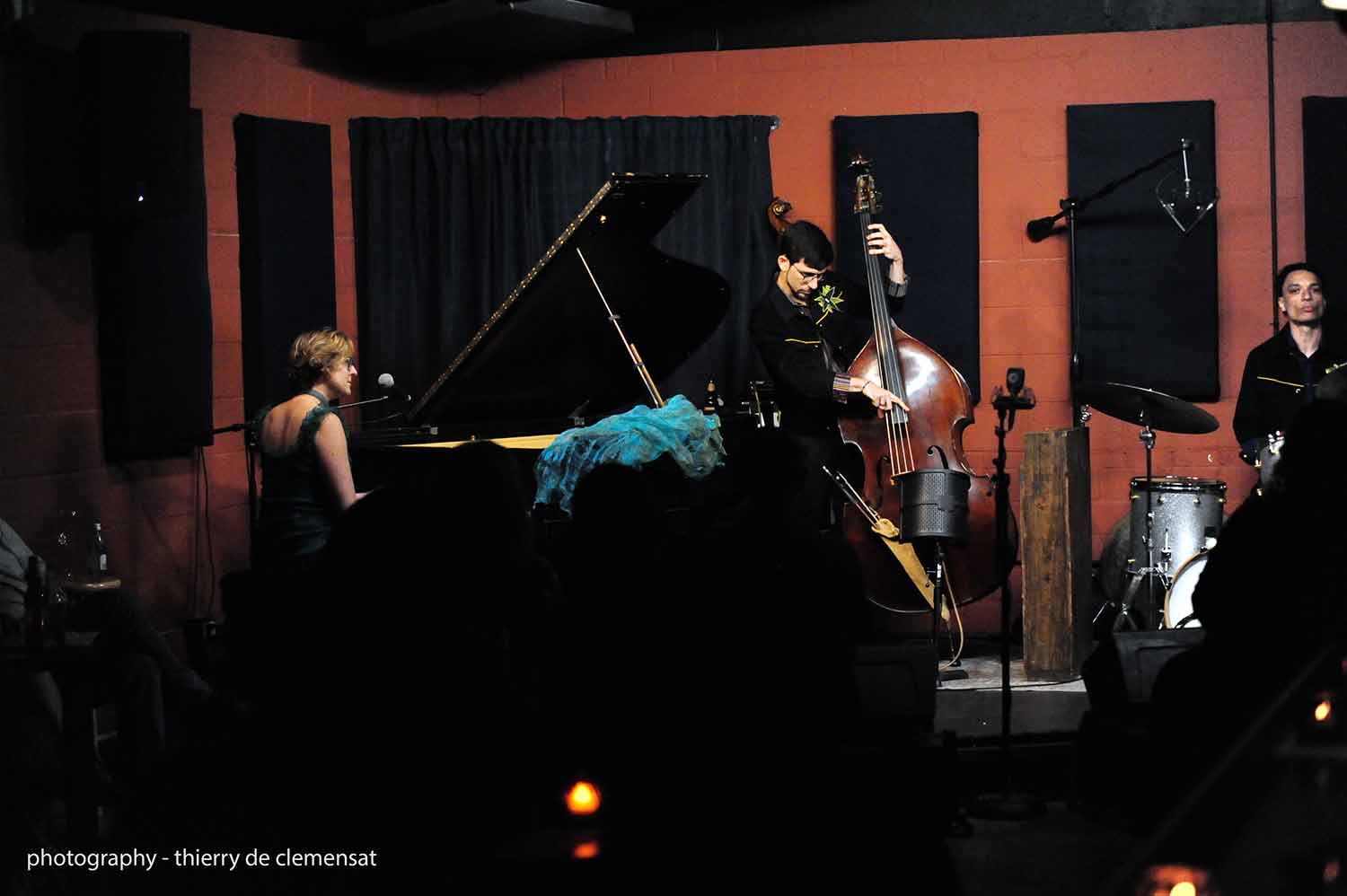
This is one of the qualities I value most in jazz: the capacity of individual musicians to preserve their own voices while making themselves indispensable to a collective undertaking. The music depends on distinctions, not uniformity. Each player brings a particular sensibility, yet the ensemble succeeds only when those differences become part of a shared language. At Monks, the interaction among Green, Soul and Hyde felt remarkably natural. There was no need to announce the chemistry; it could be heard in the smallest adjustments; in the way a phrase opened a door for another musician or a rhythmic shift altered the direction of the music. The result was neither a rigidly controlled performance nor a loose succession of solos. It was a living structure, continually renewed by the decisions made in the moment. Such cohesion is easy to admire and difficult to achieve. It requires confidence, but also the willingness to relinquish control, to recognize that the music may become more compelling when another musician takes it somewhere unexpected.
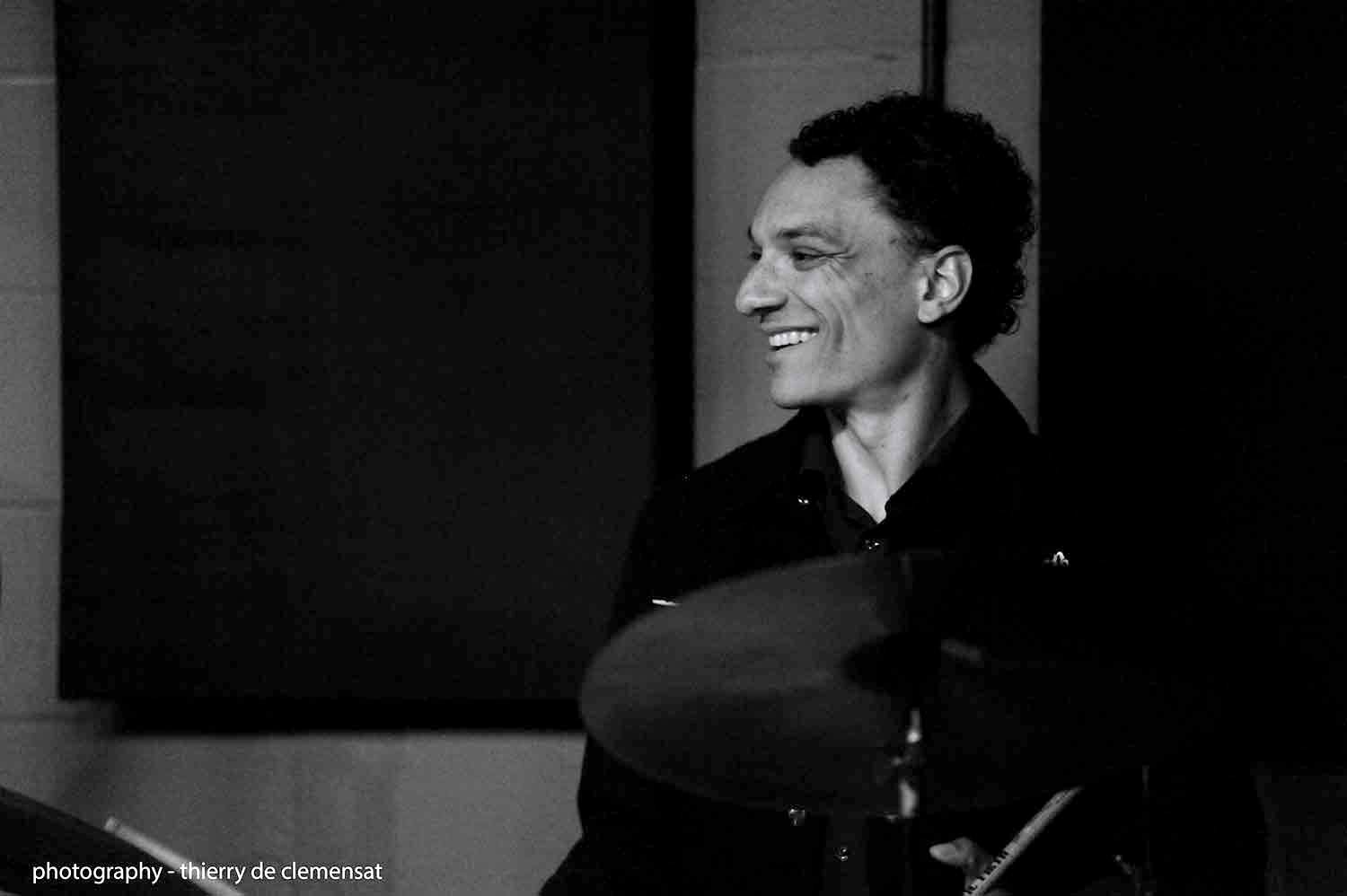
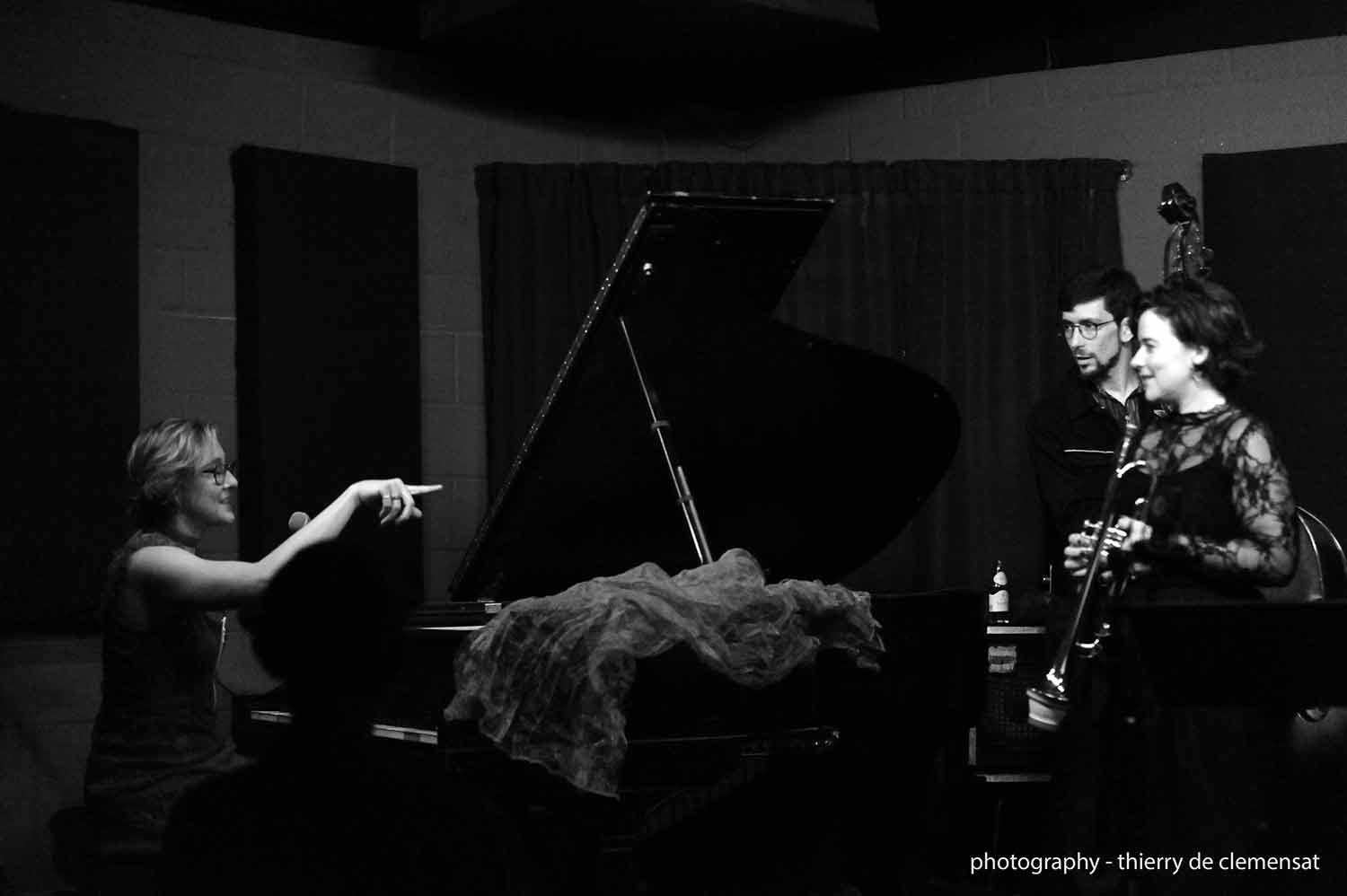
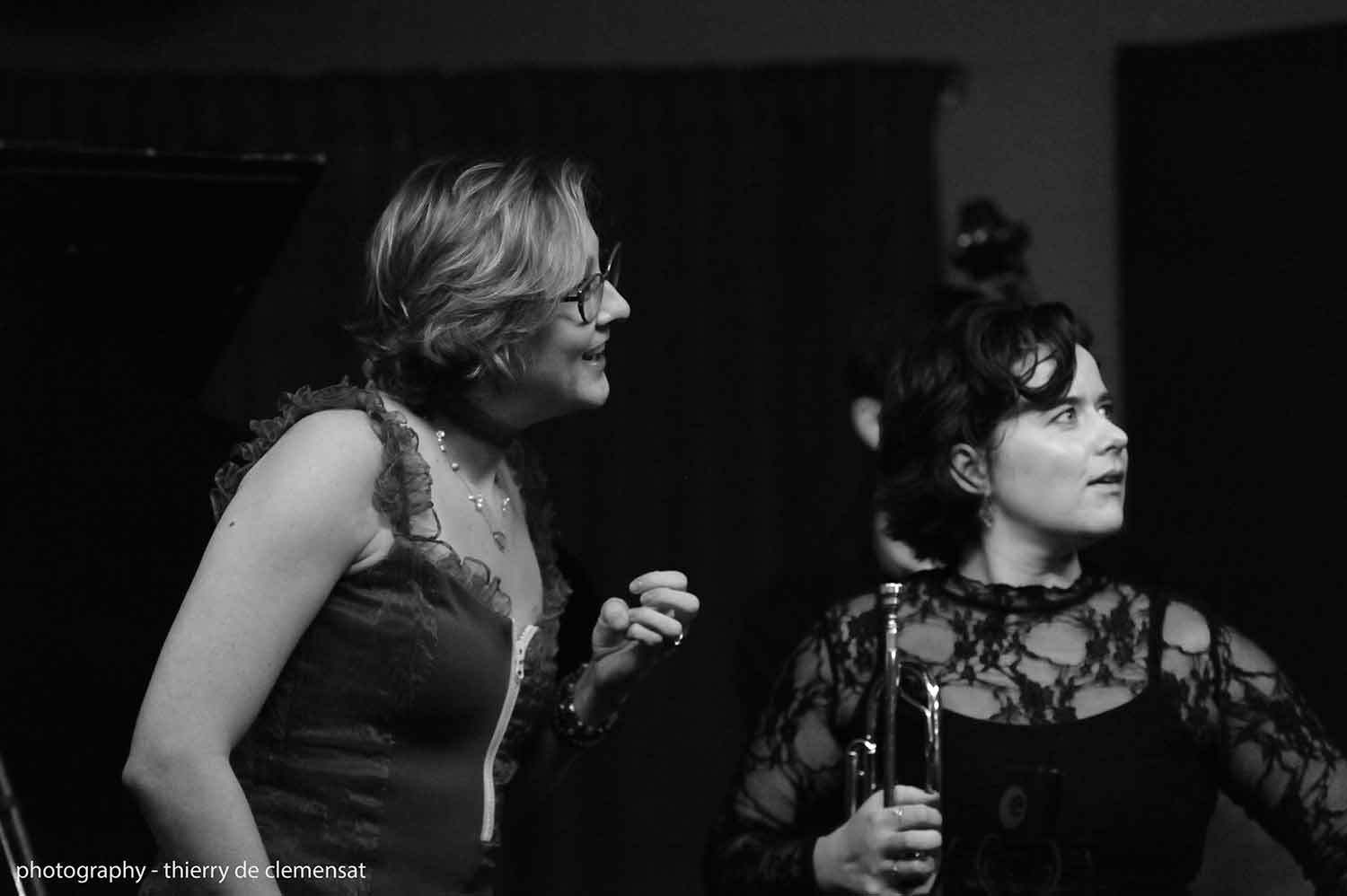
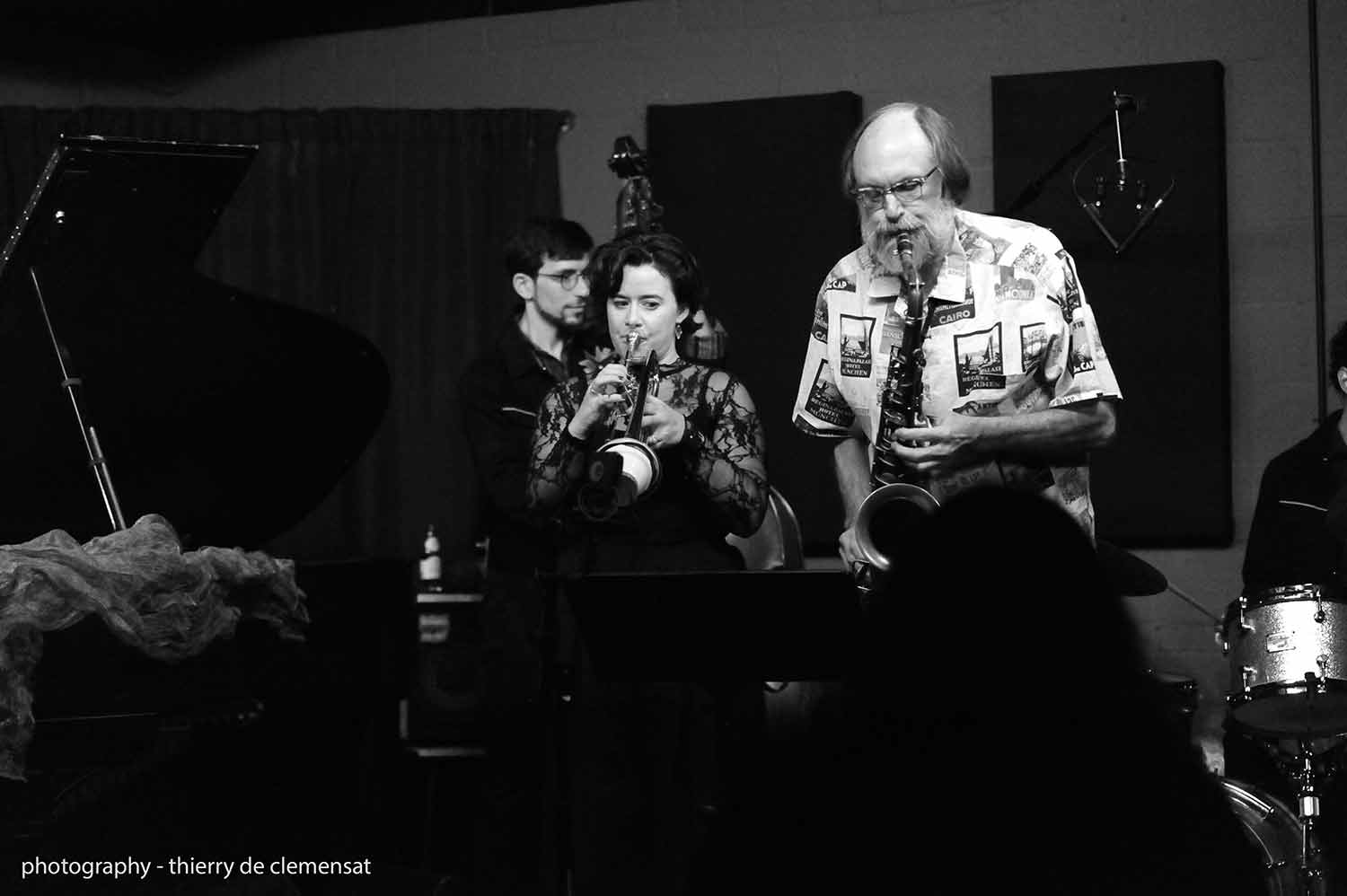
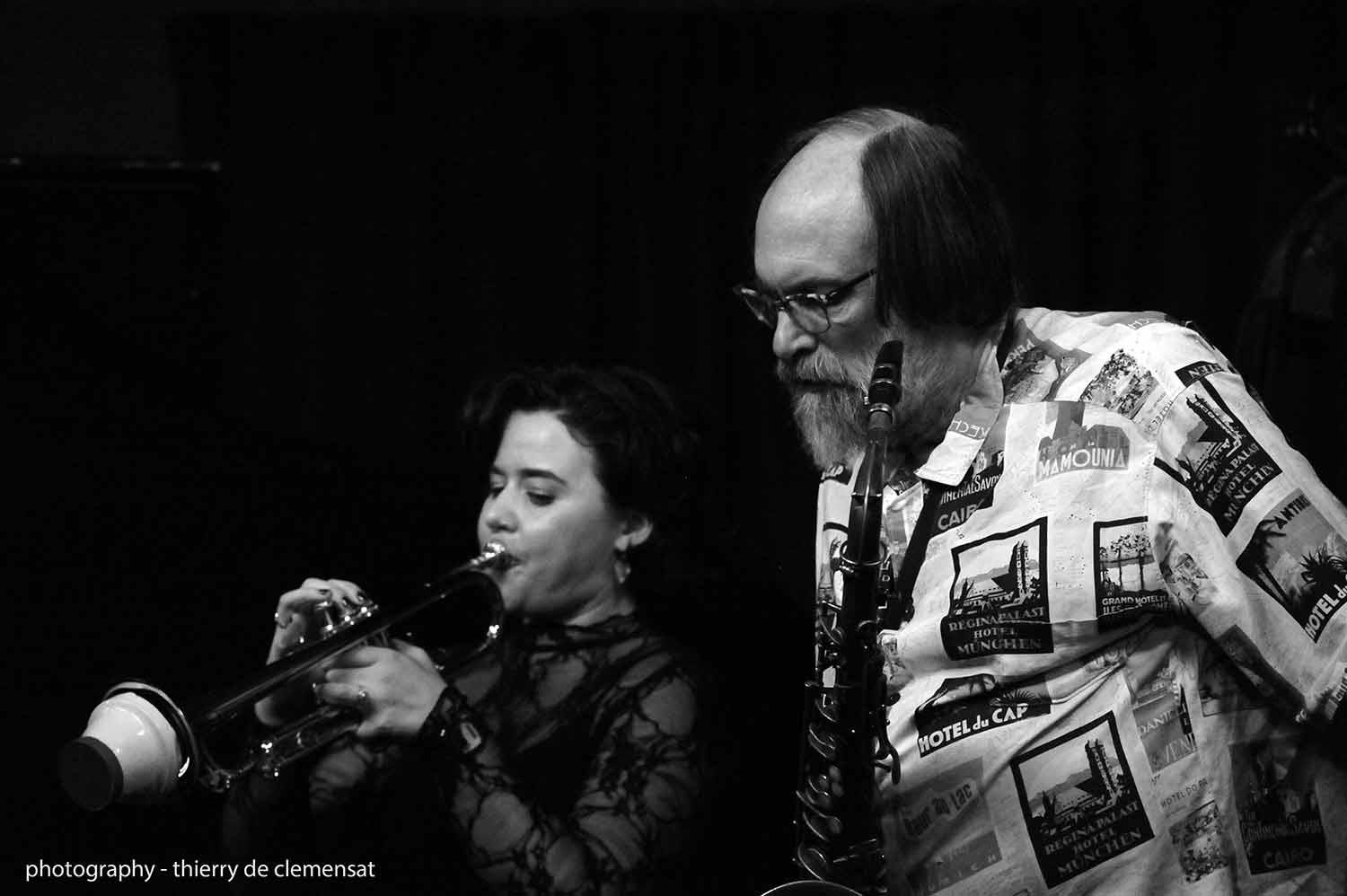
The evening acquired another dimension with the arrival of trumpeter Rachel Spencer, whose work Green had discovered through social media. There is something encouraging about this kind of connection in a musical culture often shaped by established networks, institutional recognition and the familiar machinery of promotion. A musician encounters another musician’s work, hears something worth pursuing and creates an opportunity for it to be heard in a different setting. The technology itself is unremarkable; what matters is the curiosity behind its use. Green’s decision to bring Spencer into the performance reflected an openness to talent that does not depend on reputation alone. Spencer, for her part, made the most of the opportunity. Her trumpet added a new timbral presence to the ensemble, bringing a sharper edge and a different melodic perspective without disturbing the balance Green and her rhythm section had established. She did not simply occupy the space left open for a guest. She entered the music as a distinct voice, attentive to its character while making room for her own ideas.
What I found particularly satisfying was the way Spencer’s contribution expanded the musical conversation rather than interrupting it. A guest appearance can easily become a self-contained episode, an occasion for a visiting soloist to demonstrate what distinguishes them from the band. Here, the emphasis remained on exchange. Spencer’s phrasing introduced new possibilities, and the ensemble responded without losing its sense of direction. The music became broader, more varied in color, but retained its underlying coherence. This is a subtle achievement, and one that says something about Green’s instincts as a bandleader. To lead an ensemble is not merely to select the repertoire, count off the tempo and determine the order of solos. It is to create the conditions in which other musicians can contribute fully, without having to subordinate their individuality or fight for recognition. Green seemed to understand that generosity is not a departure from artistic authority. Properly exercised, it is one of its clearest expressions.
The presence of Scott Robinson added a further layer of experience and musical imagination. Known for his remarkable versatility across instruments, Robinson belongs to that category of musician whose curiosity appears to have no fixed boundaries. His work reflects a deep understanding of jazz history, but never the sense that history should serve as a museum whose contents must remain untouched. Such musicians remind us that tradition is not a single style, nor a set of rules handed down intact from one generation to the next. It is an ongoing conversation among artists who revisit inherited forms, test their limits and discover new possibilities within them. Robinson’s contribution brought another perspective to the evening, enriching the ensemble’s palette while respecting the music’s internal logic. His presence also underscored a point that is too often overlooked in discussions of contemporary jazz: experience and youth are not opposing forces. The music thrives when knowledge accumulated over decades meets the energy and questioning spirit of artists still defining their paths.
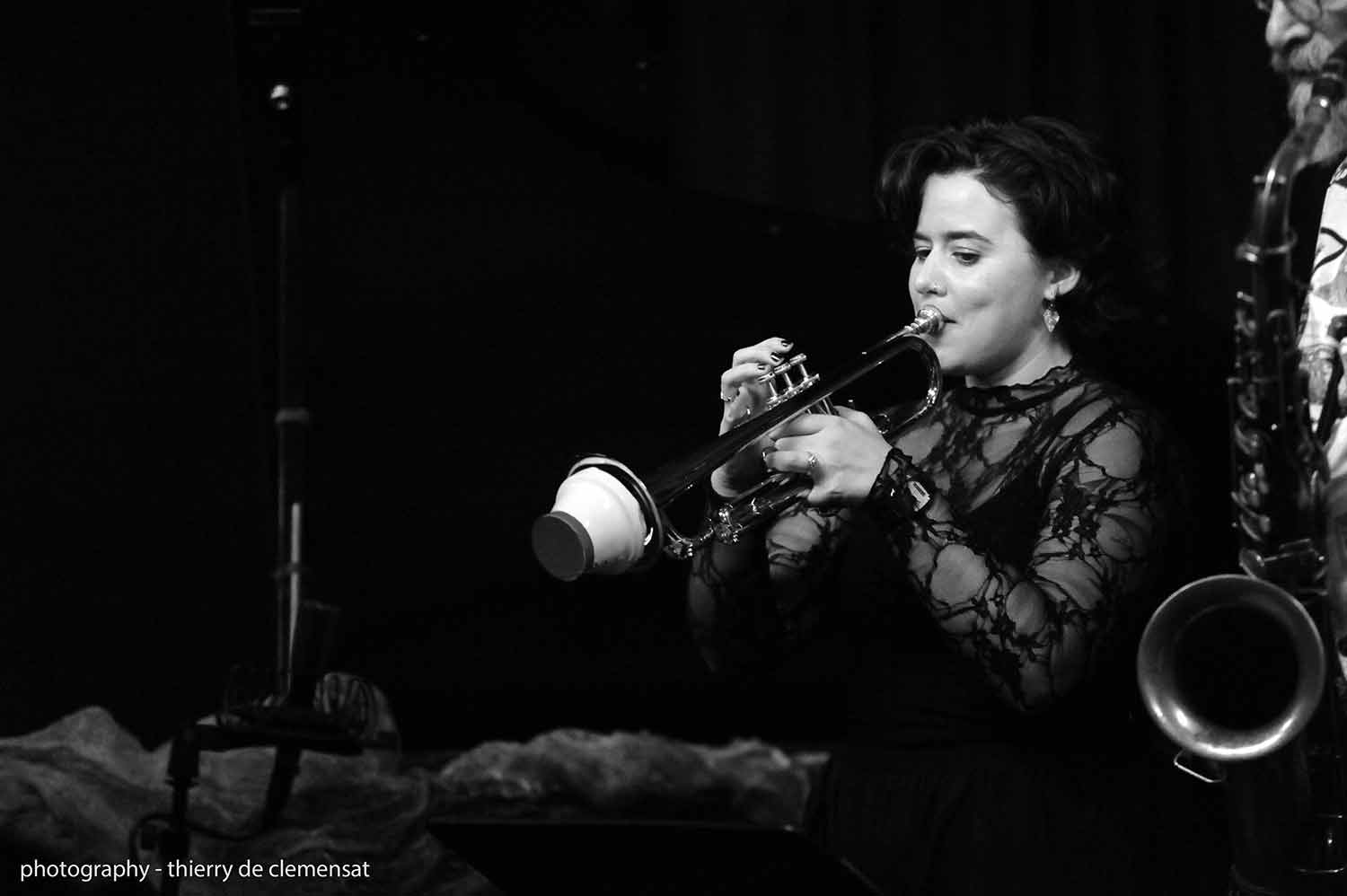
What emerged over the course of the performance was a portrait of jazz as both a highly developed musical language and a practice of human exchange. The technical demands are considerable. To improvise convincingly, a musician must command harmony, rhythm, form and repertoire while remaining alert to events that cannot be predicted. Yet the most memorable moments rarely come from technique alone. They arise when technical command becomes inseparable from listening, when a musician responds not to an abstract musical problem but to another person in real time. The exchanges at Monks carried that quality. Each contribution mattered, but none needed to dominate. The music gained strength from the attention its players gave one another, from their willingness to make room, alter course and trust the collective result. In an age that often rewards self-promotion and the relentless assertion of individual identity, there was something quietly persuasive about a performance built on mutual regard.
Green’s compositions also deserve attention in their own right. Their appeal lies not in an attempt to make jazz sound contemporary through superficial gestures, but in the way they allow familiar musical resources to remain open to new possibilities. Melodic lines have shape and purpose; harmonies create movement without obscuring the emotional center; rhythmic ideas give the music momentum while preserving its flexibility. There is an evident respect for the tradition, but no sense of obligation to reproduce its established gestures. Green is not trying to prove that jazz can survive by imitating its past, nor does she appear interested in discarding that past for the sake of novelty. Her approach suggests a more demanding proposition: that a musical inheritance remains relevant only when artists make it their own. “Eat Your Green” offers a glimpse of that sensibility, and the live performance gave it a fuller, more immediate form. The compositions could stretch and breathe, shaped by the musicians onstage rather than presented as finished objects to be reproduced unchanged.
That freedom is central to the enduring appeal of live jazz. A recording can preserve a performance, but it cannot entirely reproduce the uncertainty that makes a concert an event. A note may lead somewhere unexpected; a rhythm may acquire a new accent; a musician may recognize an opening that did not exist a moment earlier. The audience, too, becomes part of the occasion, not by intervening directly but through its attention, its silence and its response. At Monks, the music felt present in this fuller sense: not simply played before us, but created in a space shared by musicians and listeners. The intimacy of the club made small gestures audible and meaningful. A shift in dynamics, a pause, a phrase left unresolved could carry as much weight as a more conspicuous display of virtuosity. The evening’s strength lay partly in this refusal to confuse impact with excess. The music trusted its own intelligence and gave the audience the opportunity to meet it on its terms.

I left thinking, too, about the conditions under which younger musicians build their careers. Jazz remains a demanding field, one in which artistic development depends on practice, collaboration, performance opportunities and the often precarious work of finding an audience. The public image of the musician can obscure the labor behind the music: the hours spent studying, the discipline required to sustain a personal voice, the compromises involved in making a living without surrendering one’s artistic priorities. Against that background, Green’s willingness to bring other musicians into her work takes on a significance beyond the immediate pleasure of a good concert. It reflects a view of music as something sustained through relationships, through the exchange of ideas and the creation of opportunities. Spencer’s presence was one example, but the same spirit could be heard in the interaction among the entire ensemble. Each musician was given room to contribute, and the music became richer because of it.

This is not to romanticize the jazz community or to suggest that generosity alone can resolve the economic and institutional pressures facing musicians. The realities remain difficult, and artistic merit does not always translate into recognition or financial security. But it would be a mistake to underestimate the importance of the values embodied in a performance such as this one. Attentiveness, curiosity, respect for difference and a willingness to share the stage are not sentimental additions to the music. They are among the conditions that allow it to flourish. Jazz has always been shaped by encounters across generations, backgrounds and musical traditions. Its history is inseparable from the tension between individual expression and collective invention. When that balance is achieved, the music offers more than a display of skill. It becomes an example of how people with distinct voices can create something that none could produce alone.

As Ilene and I left Monks Jazz Club, we carried away more than the memory of a fine performance. We had heard compositions that rewarded close attention, discovered a trumpeter whose work I wanted to follow, and experienced the complementary strengths of a bassist and drummer whose contributions extended far beyond accompaniment. We had also seen a bandleader make generosity part of her artistic method. Green, Soul and Hyde formed a cohesive trio, while Spencer and Robinson added new dimensions without disturbing its balance. What made the evening memorable was the way these qualities converged: musical intelligence, individual freedom, mutual respect and the evident pleasure of making something together. A concert may leave behind a brilliant solo or a melody that returns unbidden years later. This one offered something less tangible but no less lasting: a sense of coherence between the music and the way it was made.

In troubled times, such an experience can offer a measure of gentleness without pretending that the world beyond the club has changed. Music does not erase conflict, uncertainty or the pressures of daily life. Nor should we ask it to provide easy consolation for problems that demand political, social and human answers. But a performance can remind us that other ways of relating remain possible. For the length of a set, musicians who retain their individuality can listen closely enough to build a common language; differences can become sources of invention rather than occasions for division; leadership can create space instead of claiming it. These are modest propositions, perhaps, but they are not insignificant. That night at Monks Jazz Club, Kelly Green and her fellow musicians offered no grand declaration. They did something more persuasive: they made the case through their music. Jazz was not simply a tradition being preserved, or a repertoire being performed. It was a practice of listening, a meeting of distinct sensibilities and, above all, a way of being together.
Thierry De Clemensat
Member at Jazz Journalists Association
USA correspondent for Paris-Move and ABS magazine
Editor in chief – Bayou Blue Radio, Bayou Blue News

Follow PARIS-MOVE on X
::::::::::::::::::::::::
Luca Soul Rosenfeld’s Facebook page