
| Jazz |
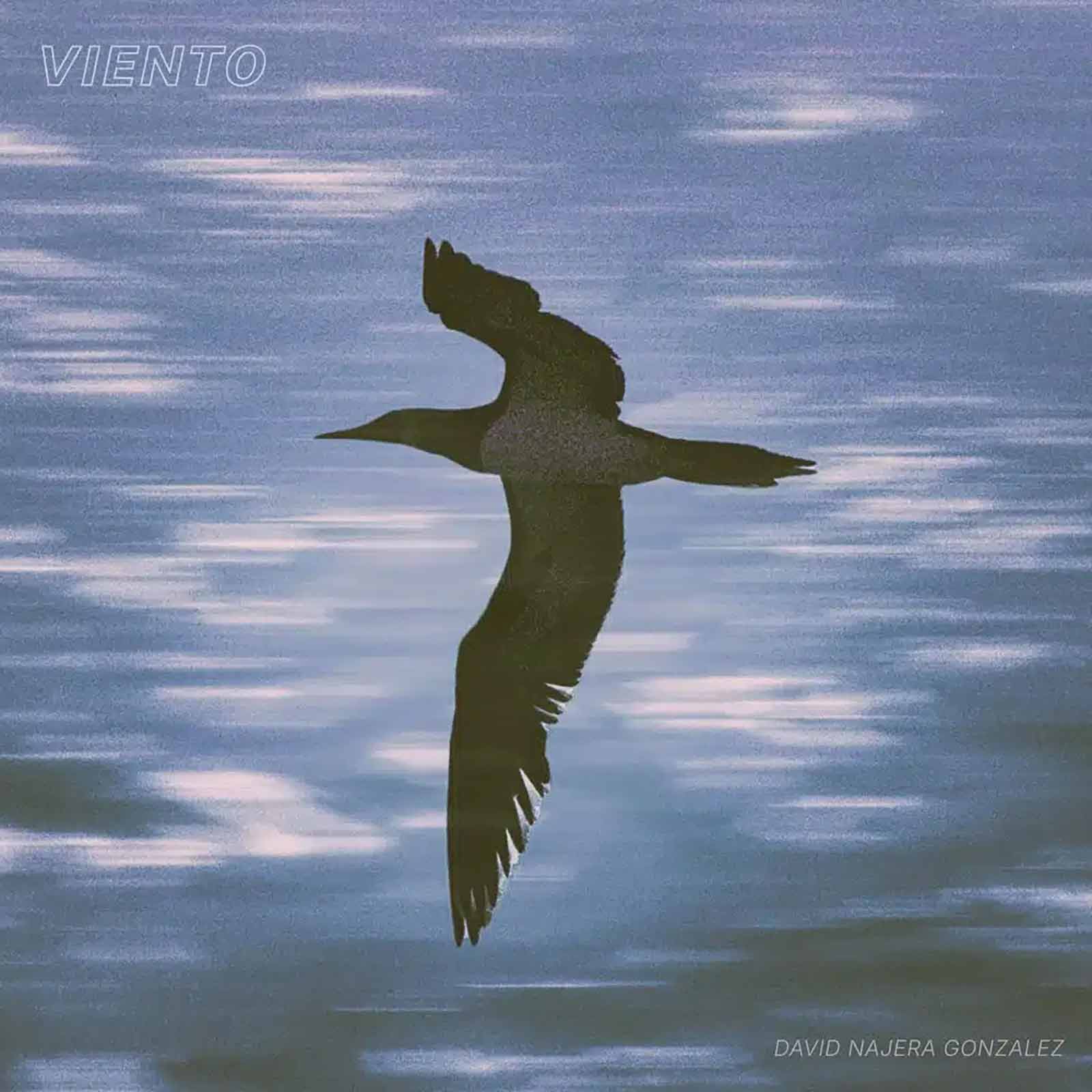
Summary : Mexican-born, New York-based drummer and composer David Najera Gonzalez unveils a dynamic debut EP that fuses jazz, rock, funk, and multicultural influences, showcasing the emergence of a distinctive new voice on the contemporary jazz scene.
David Najera Gonzalez’s Debut EP Blends Jazz, Rock, and Global Rhythms Into a Promising New Voice
Mexican-born and now based in New York, David Najera Gonzalez is a composer and drummer whose musical identity already feels remarkably distinct. On the debut EP from his eponymous jazz trio, he explores a compelling blend of jazz, rock, funk, and Latin influences that immediately sets him apart from many of his contemporaries.
Listening to these recordings, one can almost imagine the late Mexican folk singer Sixto Rodriguez stepping into the room, bringing with him his deeply realistic poetry and understated storytelling. Of course, nothing of the sort actually happens. Yet there is a similar sensibility at work here, particularly in the way melody is carried forward through guitar-driven narratives supported by unconventional rhythmic foundations. The result is music that feels rooted in multiple traditions while remaining personal and forward-looking.
What makes the project especially intriguing is the subtle way Najera Gonzalez’s Mexican heritage seems to inform his musical thinking. Rather than relying on overt folkloric references or predictable Latin jazz formulas, he draws upon a broader cultural sensibility, one that embraces movement between worlds, rhythmic fluidity, and a natural openness to hybrid forms. His music reflects the experience of an artist shaped by multiple identities and musical traditions, now filtering those influences through the creative intensity of New York’s jazz scene.
Rock and folk influences are clearly present throughout the EP, helping to shape a project that serves as both an introduction and a statement of intent. More importantly, it offers intriguing clues about where Najera Gonzalez may be heading artistically.
Few musicians currently occupy this particular musical space. What makes the project especially interesting is the drummer’s ability to integrate rhythmic ideas drawn from different cultural backgrounds into a cohesive whole. In many ways, the EP possesses both the strengths and weaknesses commonly associated with a debut release. It showcases an impressive range of stylistic directions and demonstrates considerable versatility, yet it occasionally feels more like a collection of possibilities than a fully realized artistic destination.
That said, the project succeeds in revealing the contours of an emerging voice. Written during a period of significant personal and emotional transition, the music reflects experiences ranging from marriage and evolving friendships to the fulfillment of long-held ambitions. “Writing this EP allowed me to reconnect with the freedom of creating music,” Najera Gonzalez has explained. “I wanted to make groove-oriented music that could remain open and flexible within an improvisational setting.”
For that reason, this EP may not be the definitive statement by which listeners should judge the full scope of Najera Gonzalez’s artistic potential. Instead, it should be viewed as an early chapter in what promises to be a fascinating journey.
One of the most revealing moments arrives with his interpretation of Bobby Timmons’ classic “Moanin’,” transformed into a vibrant funk-rock arrangement partly inspired by the Afrobeat approach that Tony Allen once brought to the composition. The track illustrates the breadth of influences informing the project. Echoes of Sly Stone, Erykah Badu, D’Angelo, and Lenny Kravitz emerge alongside the enduring language of jazz tradition. Yet the arrangement never feels like a simple exercise in imitation. Rather, it highlights the wide musical landscape from which Najera Gonzalez is drawing inspiration.
The next challenge for the young drummer may be learning how to move beyond those influences and allow his own voice to emerge even more clearly. After several listens, it becomes apparent that a wealth of ideas is flowing through these compositions. His drumming displays remarkable energy, curiosity, and technical confidence, qualities that give the music much of its momentum and character. At times, however, that same enthusiasm can lead him to fill nearly every available space. A greater willingness to let certain passages breathe would likely increase the impact of his strongest ideas. More openness within the arrangements would allow the compositions to unfold with greater clarity and provide each musician with additional room to shape the collective narrative.
The art of the jazz trio has always depended on balance. It is a format that rewards listening as much as playing, and one that often derives its greatest power from what remains unsaid. When space is created, musicians can elevate one another beyond the written material, transforming compositions into genuine conversations.
Still, these observations should be understood within the context of an artist who remains at the beginning of his journey. Arriving in New York at just 19 years old, Najera Gonzalez quickly began establishing himself within one of the world’s most competitive musical environments. His project, Viento, emerged from years of touring and carries with it the restless energy of youth. There are moments when enthusiasm and ambition push the music toward display rather than reflection. Yet there are also numerous passages throughout the EP where a deeper artistic substance briefly emerges and captures the listener’s attention.
Those moments are perhaps the most exciting aspect of the record. They suggest not only technical ability and stylistic curiosity, but also the presence of a developing artistic voice capable of significant growth. If experience, maturity, and confidence continue to shape his work in the years ahead, David Najera Gonzalez has every opportunity to become one of the most compelling and inventive drummers on New York’s contemporary jazz scene.
Just as importantly, the trio itself shows considerable promise. The chemistry between the musicians is already apparent, even as the project continues to define its identity. What emerges throughout the EP is less the sound of a finished ensemble than that of a group discovering its collective voice in real time. That process, with all its experimentation and occasional imperfections, may ultimately prove to be one of the project’s greatest strengths.
As the musicians grow together and the compositional vision becomes more focused, the trio could evolve into a distinctive presence within the contemporary jazz landscape, one capable of bridging jazz, rock, funk, and global influences with increasing authority and originality.
Thierry De Clemensat
Member at Jazz Journalists Association
USA correspondent for Paris-Move and ABS magazine
Editor in chief – Bayou Blue Radio, Bayou Blue News
PARIS-MOVE, June 4th, 2026
Follow PARIS-MOVE on X
::::::::::::::::::::::::
Musicians:
Guitar – Alex Frondelli
Bass – Jasper Grigsby Schulte
David Najera Gonzalez – drums
Recorded at Black Lodge Recording Studios in NYC
Engineered by Vishal Nayak
Mixed by Steve Xia
Mastered by Julian Picado
Album Artwork by Laura Neves