
| World Jazz |
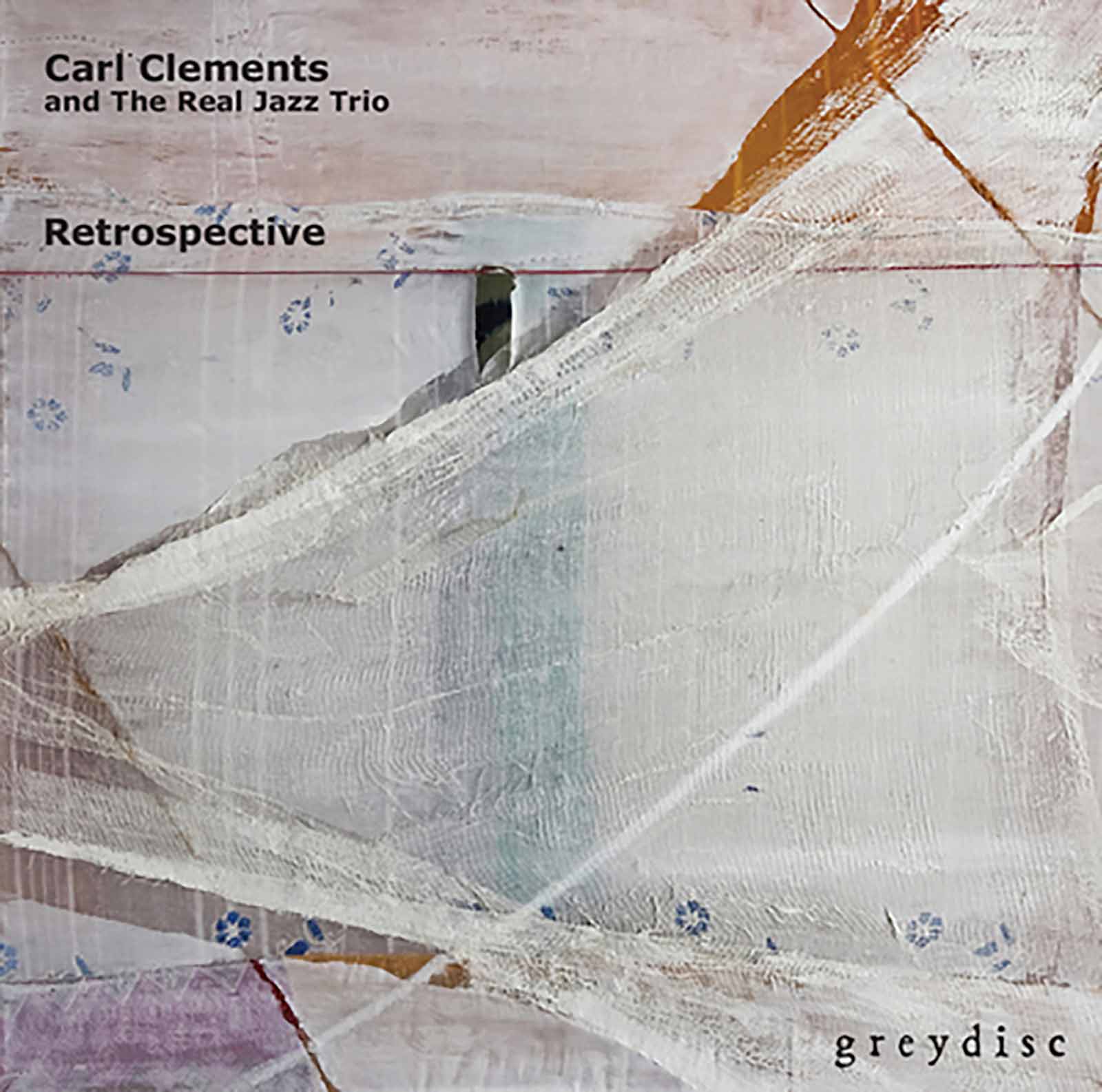
The rehearsal room is quiet for a moment, then a low, breathy tone rises from a bamboo flute, hovering in the air before giving way to a sinuous line on saxophone. The musicians listen closely, adjusting, answering, leaving space. It is in moments like these that the music of Carl Clements takes shape: deliberate, searching, and rich with influences that stretch far beyond the usual borders of jazz.
A composer’s album is always an enticing proposition, and in the case of Clements, also an accomplished saxophonist and flutist, that promise carries particular weight. For this new recording, he reunites with musicians with whom he has collaborated over the past fifteen years, drawing on a network of artistic relationships that has matured over time. The resulting work bears traces of swing, Latin jazz, and the classical music traditions of North India, among other influences, woven into a synthesis that feels both deliberate and deeply personal.
Although the album’s acoustic framework lends it a certain classical poise, this is not a recording designed for casual listening. The compositions venture into especially intricate forms of fusion, shaped by a musical language that demands patience and a trained ear. Yet for listeners willing to approach it with a spirit of adventure, the reward is a succession of striking sonic landscapes. The remarkable suppleness with which these compositions absorb such a wide array of cultural colors reflects the breadth of Clements’s collaborations over the years, artists such as Kevin Kastning, Sándor Szabó, Luciana Souza, Steven Kirby, Felipe Salles, Luis Perdomo, Earl MacDonald, Dominique Eade, Steve Davis, Steve Johns, Dafnis Prieto, Edsel Gomez, Gary Smulyan, Ralph Alessi, Ravi Coltrane, Jason Robinson, and Bob Weiner, among others.
“The challenge,” Clements has said in discussing his work, “is not to blend traditions until they disappear, but to let each voice remain distinct while still creating a single musical landscape.” That philosophy is evident throughout the album’s nine pieces, where instrumental solos emerge with formidable effectiveness, and ensemble passages often blur the listener’s sense of orientation, resisting any reading that might yield its secrets too quickly.
One track in particular, midway through the recording, offers a telling example. It opens with a sparse rhythmic figure, almost suspended in time, before the flute enters in a line shaped by the phrasing of North Indian classical music. Gradually, the ensemble gathers around it, layering harmonies and rhythmic accents until the piece unfolds into a complex but fluid dialogue. The effect is less a fusion in the conventional sense than a gradual transformation, as if one musical language were illuminating another from within.
Clements approaches sound as an explorer might approach an uncharted landscape, choosing instruments for their tonal colors and continually refining his craft. Years of study, performance, and travel feed directly into his compositions. Retrospective unfolds almost like a series of shifting palettes, each period of the album offering its own hues and textures.
Clements has played North Indian classical music on the bansuri, the bamboo flute of that tradition, since 1989. His studies with Amiya Dasgupta, David Philipson, Steve Gorn, Devendra Murdeswar, George Ruckert, and Peter Row, and, since 1999, his long apprenticeship with Nityanand Haldipur, have left a perceptible imprint on his musical voice. Those influences surface throughout the album, particularly when the flute enters. What emerges is not imitation but interpretation: an evocative, poetic reflection of India and its artistic traditions, filtered through Clements’s own sensibility.
At moments, the music moves from intimacy to an apparent simplicity, though the underlying compositional rigor remains as demanding as elsewhere on the record. There is also a palpable sense that the artist wishes to share the sheer beauty of the bansuri’s sound. A tireless traveler, Clements seems intent on guiding listeners away from the noise of cities toward imagined landscapes, Indian countryside or other distant horizons, where beauty reveals itself slowly, requiring time and attention to be fully appreciated.
This is an album that calls for deep listening. It asks the listener to be guided by sound, rhythm, and color, much as travelers of the mid-20th century once moved according to their own inner tempo, raising their cameras only when confronted with something truly extraordinary.
Listeners who are likely to find the recording most rewarding include followers of contemporary jazz, admirers of cross-cultural composition, and those drawn to exploratory or chamber-style improvisation. It is less suited to background listening than to the kind of attentive hearing that reveals new details with each return.
As for what lies ahead, Clements has suggested that this recording represents less a conclusion than a waypoint. The same curiosity that has led him across musical traditions continues to shape his work, and the trajectory of his recent projects hints at further explorations where geography, memory, and sound intersect. If Retrospective is any indication, the journey is far from over.
Thierry De Clemensat
Member at Jazz Journalists Association
USA correspondent for Paris-Move and ABS magazine
Editor in chief – Bayou Blue Radio, Bayou Blue News
PARIS-MOVE, February 5th 2026
Follow PARIS-MOVE on X

::::::::::::::::::::::::
Musicians :
Carl Clements, composer, saxophone(s), flute
Jean-Yves Jung, piano
Johannes Schaedlich, bass
Jens Biehl, drums
Track Listing :
One For Joe
Mobius
Almodovar
Procession
Remnants
Selene In Repose
A Change Of Rhythm
Retrospect
Kadam