
| Jazz |
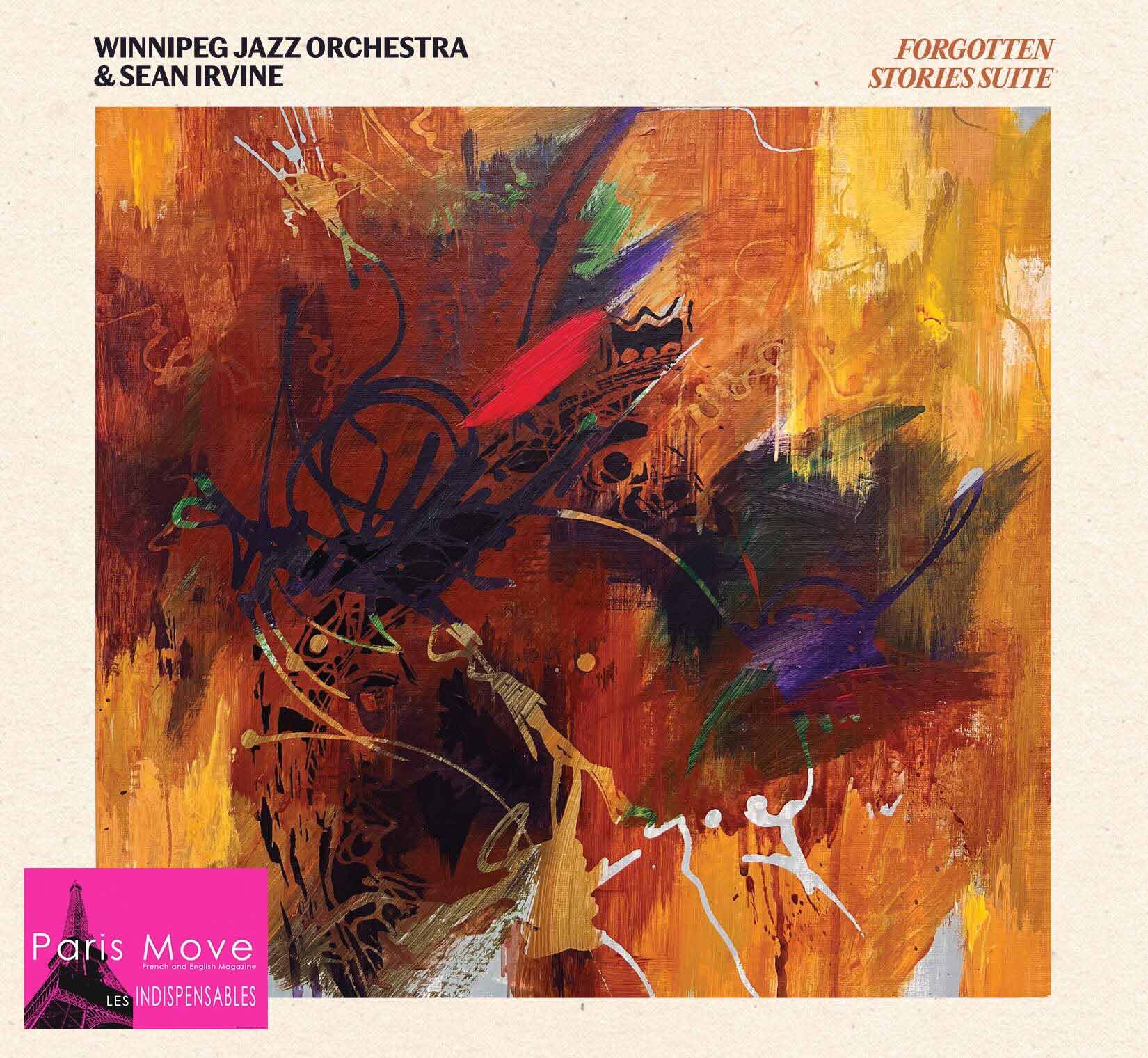
From the Canadian Cold, a Suite That Burns Bright
This album arrived from the Canadian cold in the final days of January. Given the consistently high standards of the Winnipeg Jazz Orchestra, I chose to wait until early February to write about it, especially since last year I had already devoted considerable space to their previous release, East Meets West: Connections, reviewed at length in these pages. That pause proved worthwhile. Forgotten Stories not only confirms the orchestra’s stature; it expands its artistic reach in striking and deeply human ways.
The Winnipeg Jazz Orchestra (WJO) occupies a singular place in Canada’s cultural landscape. Founded in 1997, it is the country’s first professional, community-based, non-profit jazz orchestra and a cornerstone of Winnipeg’s artistic life. Under the direction of renowned artistic director and conductor Richard Gillis, the WJO has grown into a nationally respected force, one whose ambitions extend well beyond the conventions of big-band jazz.
Their music has always thrived on synthesis. Drawing from multiple musical worlds, the WJO produces albums that feel both grounded in tradition and unmistakably contemporary. Each new release asserts itself as a potential classic of the genre, thanks to musicians who, album after album, continue to surprise. One might think such consistency would dull the edge of discovery. It has not. Forgotten Stories, the WJO’s ninth album, may be their boldest statement to date.
Conceived as a ten-track concept album, Forgotten Stories explores the lived experiences of 2SLGBTQ+ individuals as they navigate identity, trauma, resilience, and the long road toward healing. Composed by multi-instrumentalist Sean Irvine, the suite features vocalist Karly Epp alongside narrator Quinn Greene. What unfolds is an ambitious and carefully balanced fusion of instrumental jazz, lyrical vocal writing, and spoken-word poetry, music not merely as accompaniment, but as witness.
Structured in five movements, each introduced by a poetic monologue, the suite traces five distinct personal narratives. These stories do not seek pity; they seek recognition. They stir emotion, foster connection, and open a space for collective reflection and healing. In a cultural moment when many such voices remain marginalized or unheard, Forgotten Stories insists, quietly yet firmly, on being listened to.
Scored, staged, and poeticized, the album represents a notable shift from the WJO’s usual parameters. Yet the orchestra seems entirely at ease within this expanded format. Rather than unsettling the ensemble, the project highlights its adaptability and maturity. A standout moment comes with the breathtaking “Movement II: Texas,” where Karly Epp’s luminous performance brings a sense of intimacy and grace, adding an almost spellbinding quality to the work as a whole.
The fascination with the Winnipeg Jazz Orchestra is far from mine alone. In June 2025, DownBeat noted: “The Winnipeg Jazz Orchestra also builds on the solid foundations laid by Jones and Evans, iconic figures of modern orchestral jazz… The WJO is a prime example of the depth of talent found north of the border.” Forgotten Stories not only supports that claim, it deepens it.
There is little doubt that this album will once again find broad acclaim in the specialized press. But it’s true impact may well extend beyond jazz criticism. With its narrative ambition and social resonance, Forgotten Stories seems equally suited to coverage in broader cultural and social-issues contexts. It is an album that invites discussion as much as admiration.
“I want this album to speak for itself, to amplify the voices of a community of people who face each day with courage and who have lived lives marked by solitude, in search of love and freedom,” Irvine explains. “Like a visit to an art gallery, I hope listeners will take the time to contemplate the portraits of these stories, and see how every line, every shade, every brushstroke points toward a shared humanity. If music can move us, it can also open a path toward connection and empathy.”
Forgotten Stories does exactly that.
Thierry De Clemensat
Member at Jazz Journalists Association
USA correspondent for Paris-Move and ABS magazine
Editor in chief – Bayou Blue Radio, Bayou Blue News
PARIS-MOVE, February 4th 2026
Follow PARIS-MOVE on X

::::::::::::::::::::::::
Musicians :
Dr Richard Gillis : directeur artistique, chef d’orchestre
Sean Irvine : compositeur, poésie et paroles, saxophone alto, piccolo, flûte, clarinette, clarinette basse, saxophone soprano
Quinn Greene : narration parlée
Karly Epp : chant
Trompettes : Shane Hicks ; Matthew Walden (trompette et bugle); Andrew Littleford (trompette et bugle); Jon Challoner (bugle)
Saxophones : Neil Watson (soprano, alto); Niall Cade (ténor); Monica Jones (ténor); Kyle Wedlake (baryton)
Trombones : Joel Green; Jeremy Duggleby; Karin Carlson; Isabelle Lavoie (trombone basse)
Larry Roy : guitare
Will Bonness : piano, Rhodes
Karl Kohut : contrebasse et basse électriqu